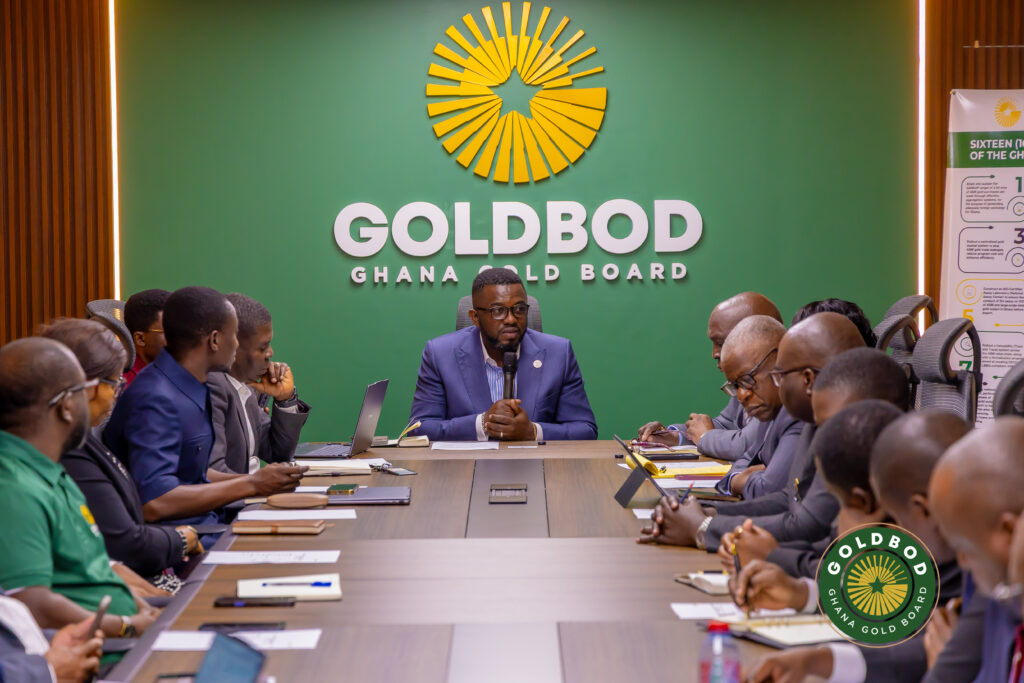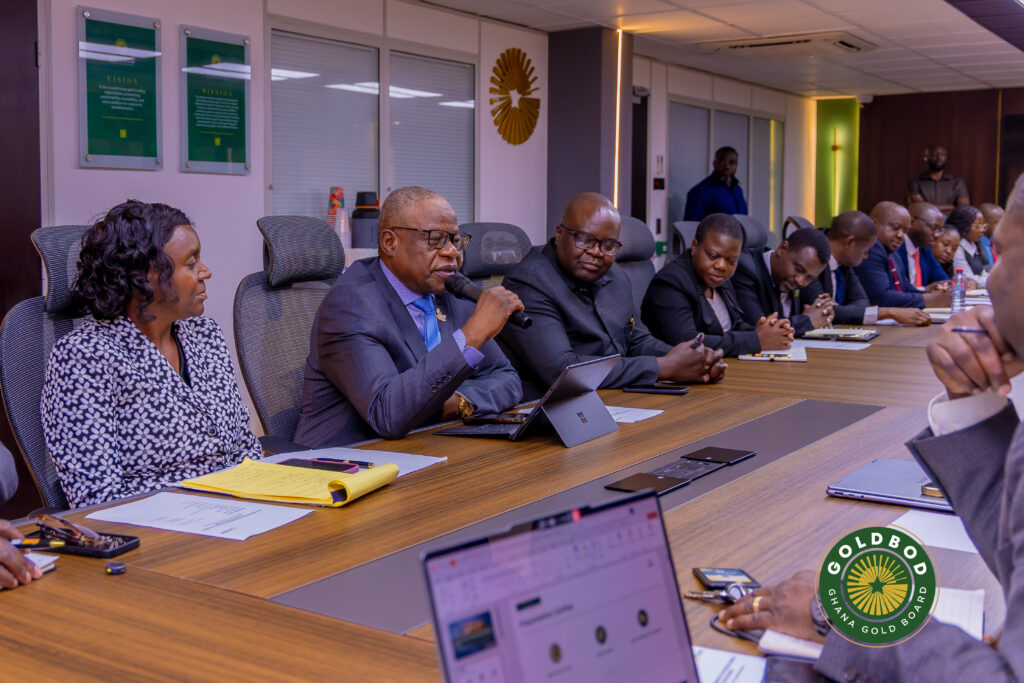
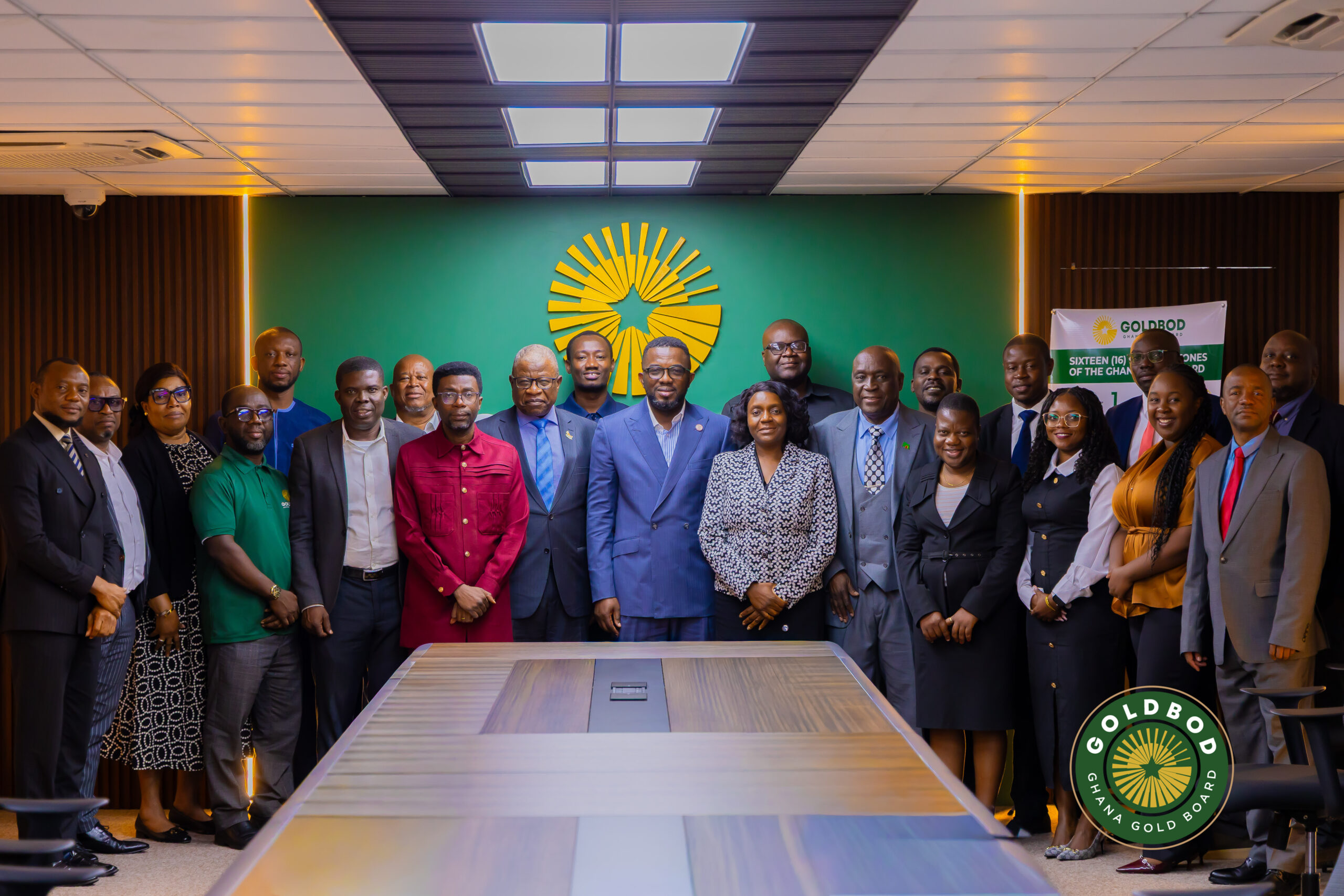
A high-level delegation from the Republic of Zambia has paid a working visit to the Ghana Gold Board (GoldBod) to understudy Ghana’s gold trading framework and gain insights into the institution’s operations, achievements and ongoing reforms aimed at formalising the country’s gold sector.
The fact-finding mission, held on Thursday, July 16, 2026, formed part of Zambia’s efforts to establish a structured gold trading system following the discovery of commercially viable gold deposits in parts of the country.
Welcoming the delegation to the GoldBod headquarters in Accra, the Deputy Chief Executive Officer of GoldBod, Richard Nunekpeku, Esq., said the visit followed an official request transmitted through Ghana’s Ministry of Foreign Affairs and Regional Integration.
Mr. Nunekpeku expressed GoldBod’s appreciation for the opportunity to share its experiences with fellow African countries seeking to strengthen governance and transparency within their mineral sectors.
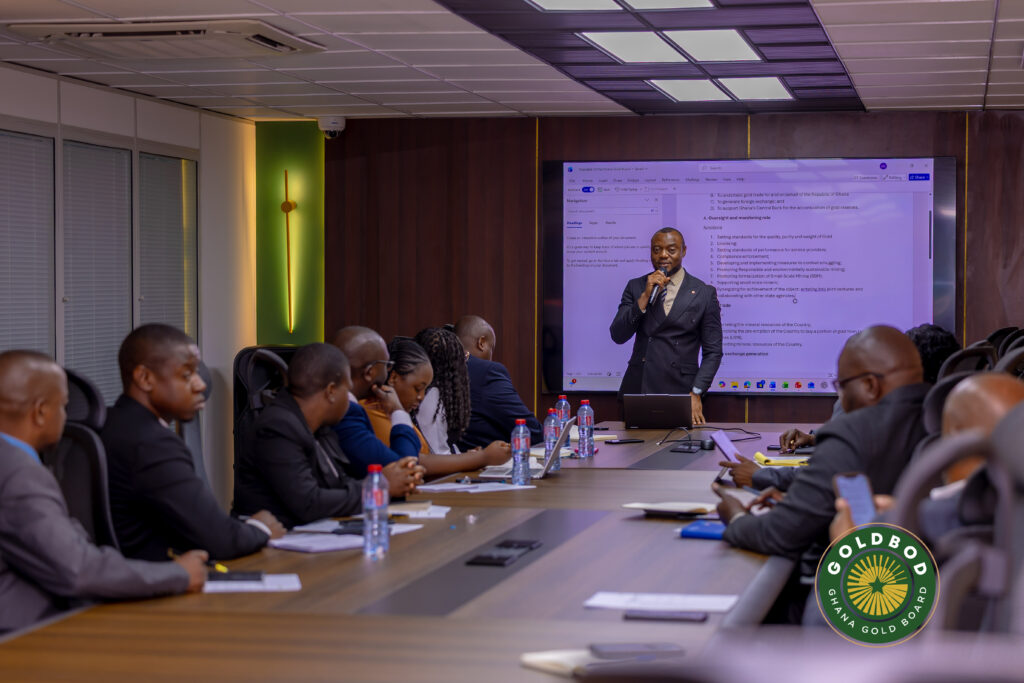
He took the delegation through a comprehensive overview of the Ghana Gold Board Act, 2025 (Act 1140), explaining the legal framework underpinning the establishment of GoldBod, its governance structure and its core mandate.
According to him, GoldBod was established to maximise Ghana’s gold resources by generating foreign exchange, supporting the accumulation of gold reserves for the Bank of Ghana and driving the formalisation of the country’s artisanal and small-scale mining (ASM) sector.
He explained that one of the institution’s key reforms has been the introduction of a four-tier licensing regime, which provides a structured framework for regulating gold trading activities while improving transparency, accountability and compliance across the gold value chain.
Mr. Nunekpeku further highlighted GoldBod’s broader strategic initiatives, including the implementation of the Ghana Accelerated National Reserve Accumulation Programme (GANRAP), under which the Board is mandated to purchase up to 30 percent of the gold output of large-scale mining companies to strengthen Ghana’s gold reserves.
The Deputy CEO also briefed the delegation on GoldBod’s value addition agenda, outlining the institution’s efforts to transform Ghana from a predominantly raw gold-exporting country into a competitive value-added gold economy.
He noted that GoldBod has signed landmark agreements with Gold Coast Refinery and Royal Ghana Gold Refinery to enhance local gold refining capacity, while the establishment of GoldBod Jewellery Limited is creating opportunities for local jewellery manufacturing, job creation and increased value retention within Ghana’s gold industry.
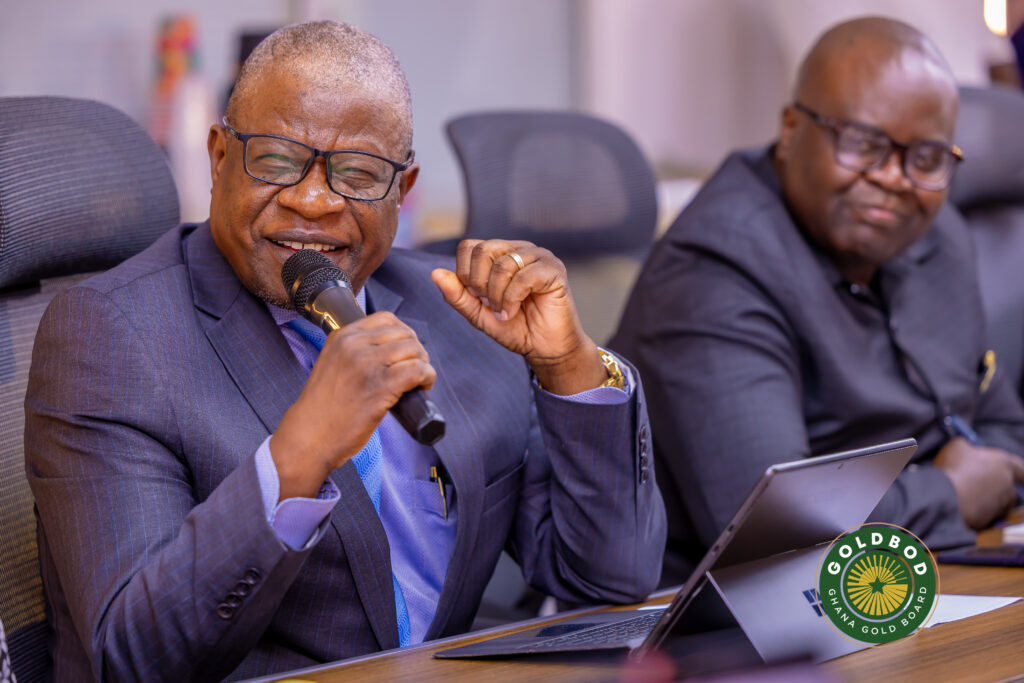
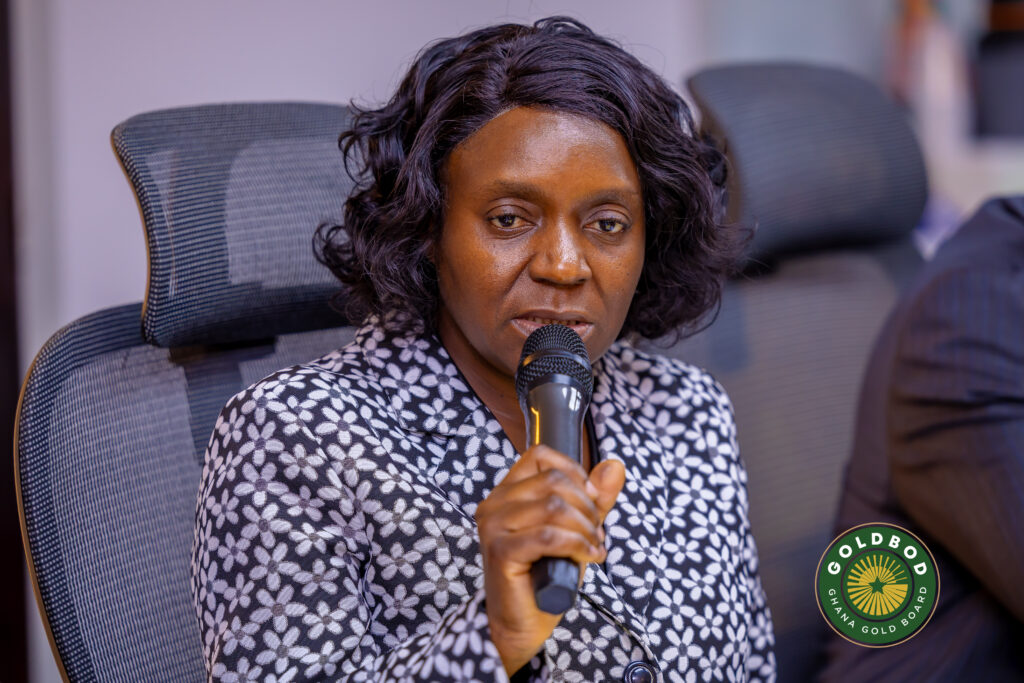
Responding on behalf of the visiting delegation, an official of the Zambia High Commission in Ghana expressed appreciation to GoldBod for the warm reception and willingness to share its experiences.
She explained that although Zambia has traditionally been known as a major copper-producing nation, recent geological surveys have identified significant gold deposits in several parts of the country, prompting Government to establish a dedicated framework for regulating and developing the emerging gold sector.
She said Zambia was particularly interested in learning from Ghana’s experience in formalising artisanal and small-scale mining and developing an efficient gold trading system that promotes transparency, responsible sourcing and national economic growth.
The delegation, comprising officials from the Zambia Ministry of Mines and Minerals Development, Ministry of Finance and National Planning, and Ministry of Justice, indicated that Ghana’s experience provides valuable lessons that could inform the development of a similar institutional model in Zambia.
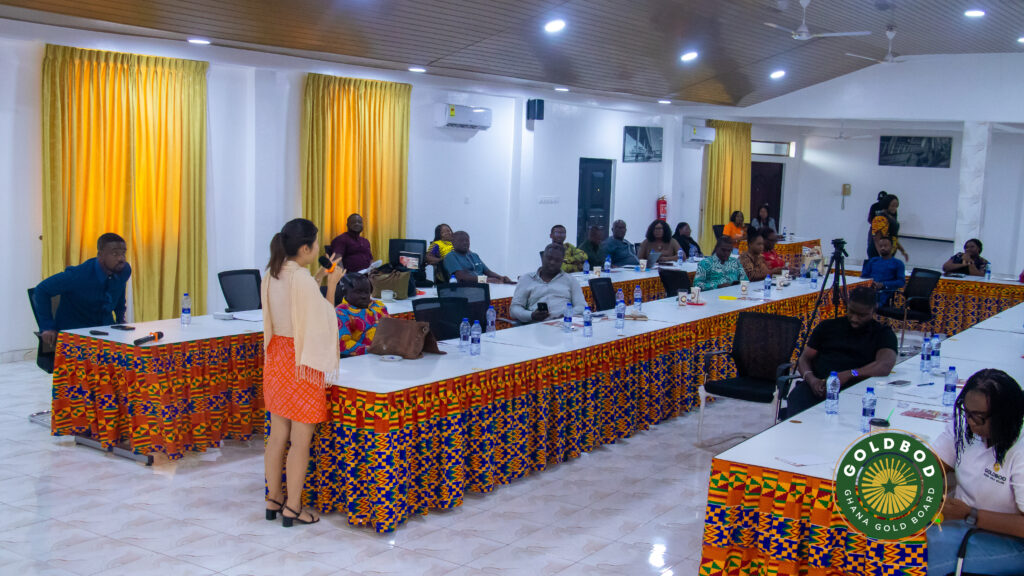
As part of the engagement, GoldBod organised a series of technical presentations delivered by Directors from the Legal, Responsible Mining and Sustainability, Compliance, Technical and Finance Directorates.
The presentations provided detailed insights into GoldBod’s licensing framework, compliance mechanisms, responsible mining initiatives, traceability efforts, financial operations, value addition strategy and institutional governance.
The interactive session also afforded members of the Zambian delegation the opportunity to engage GoldBod’s management and directors on various operational and policy issues, with comprehensive responses provided to their questions.
At the conclusion of the visit, the delegation described the engagement as an “eye-opener,” expressing appreciation to GoldBod’s leadership and technical team for their openness and commitment to sharing Ghana’s experience.
The visit further reinforces GoldBod’s growing reputation as a model institution in Africa’s gold sector and highlights Ghana’s leadership in advancing transparent, responsible and value-driven gold governance on the continent.