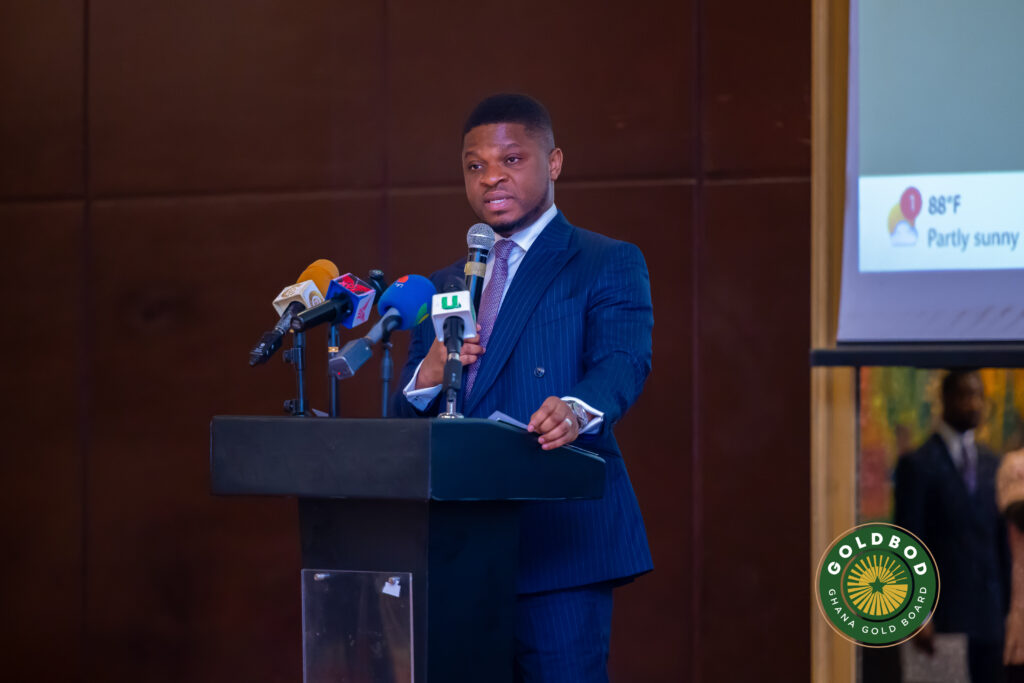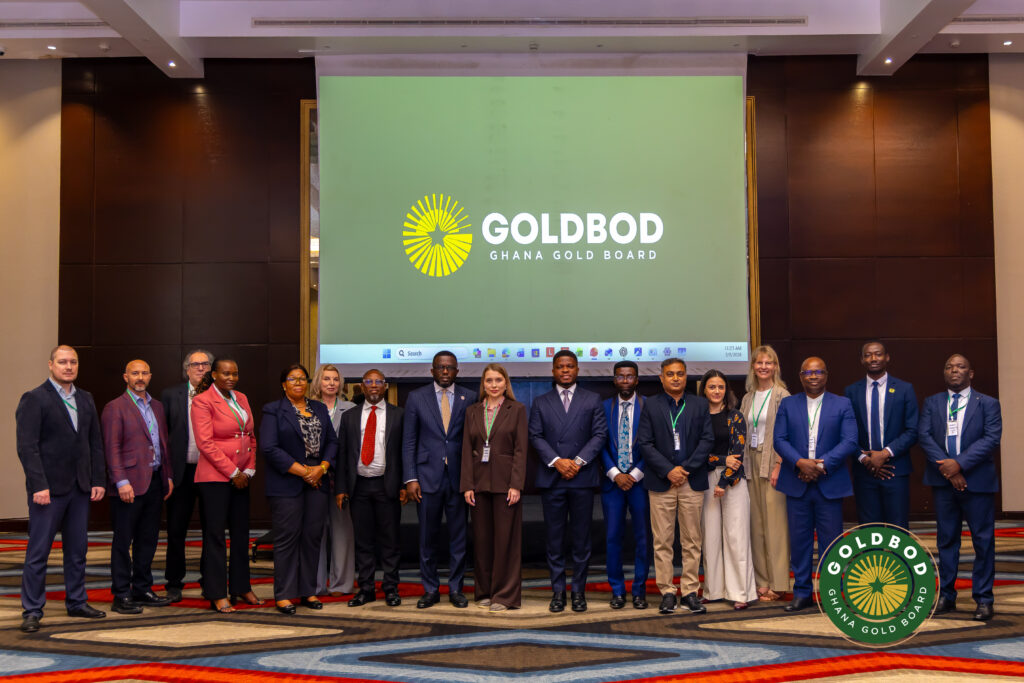
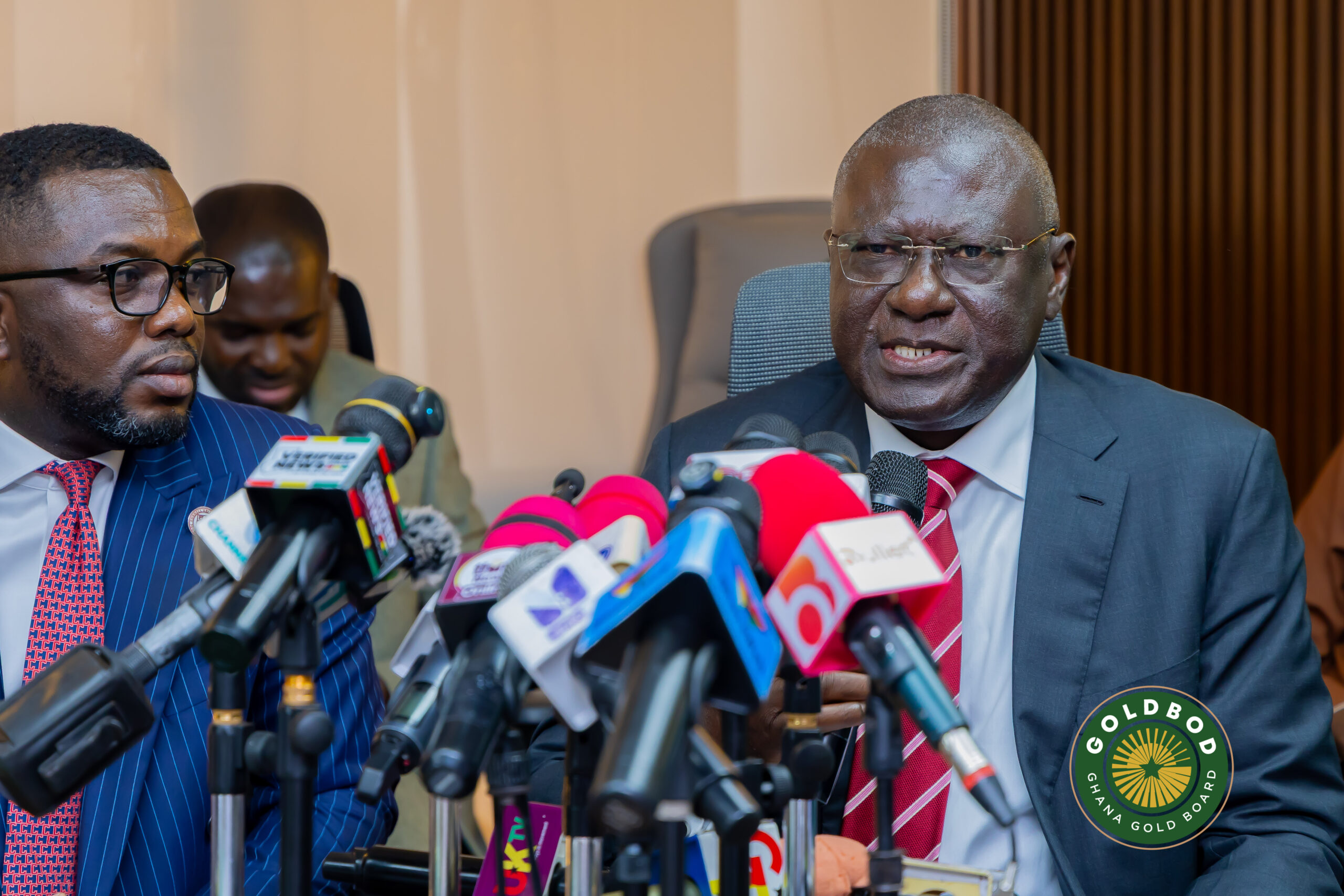
On 20th January 2026, the agreement between the Ghana Gold Board (GoldBod) and Gold Coast Refinery Limited to refine 52 tonnes of gold annually was signed, a move expected to significantly expand employment opportunities for Ghanaian youth while also strengthening value addition, foreign exchange inflows, and traceability in the gold sector.
At the signing ceremony, GoldBod Board Chairman, Mr. Kojo Fynn, stressed that the partnership must translate into deliberate job creation for Ghanaians, particularly young people with technical skills.
“Benefits will be enormous because the gold that would be exported is going to be refined over here by Ghanaians, there will be value addition, more employment and we plead with you to open the doors,” he said.
The local refining of gold is projected to increase demand for skilled and semi-skilled labor across areas such as metallurgy, plant operations, quality assurance, safety, logistics, and environmental management.
With a guaranteed annual supply of gold to be refined, the refinery’s operations will require a larger workforce, creating direct employment as well as indirect jobs along the supply chain.
Mr. Fynn further called on the refinery’s investors to actively collaborate with Ghana’s technical universities to build local capacity and provide practical training for students.
“Now that we are giving you the raw materials, open doors and employ more hands. We plead with you to open the technical department for our technical universities for orientation, and the benefits will be enormous,” he reiterated.
Beyond employment, the agreement is expected to keep more value from Ghana’s gold within the domestic economy.
By refining gold locally rather than exporting it in raw form, Ghana stands to earn higher export revenues and strengthen foreign exchange inflows.
The arrangement also enhances traceability, ensuring that gold can be tracked from source to export, in line with international standards.
Positioning young Ghanaians at the center of refinery operations is expected to help build long-term expertise in gold refining and downstream processing, skills that have historically been limited in the local industry.
As GoldBod moves to secure domestic refining as a core part of Ghana’s gold strategy, the focus on youth employment signals a broader goal: transforming the country’s mineral wealth into sustainable jobs, skills development, and lasting economic value.