The Chief Executive Officer of the Ghana Gold Board (GoldBod), Sammy Gyamfi, Esq., has presented Ghana’s ongoing reforms in the gold sector as a model for how African countries can leverage strategic state intervention to retain greater value from their natural resources, drive industrialisation and strengthen economic resilience.
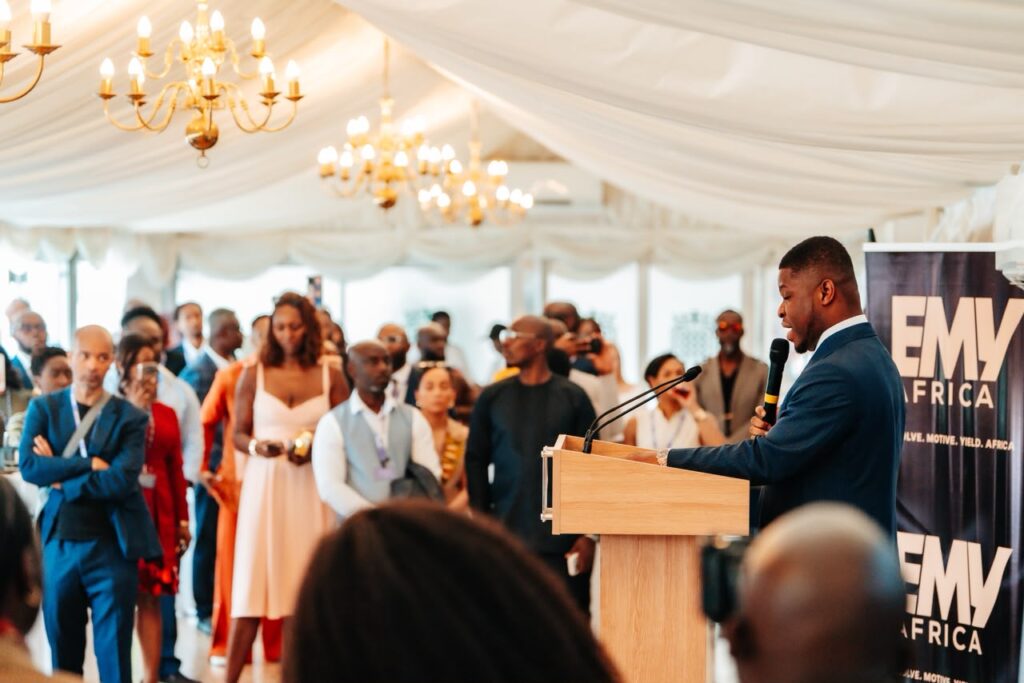
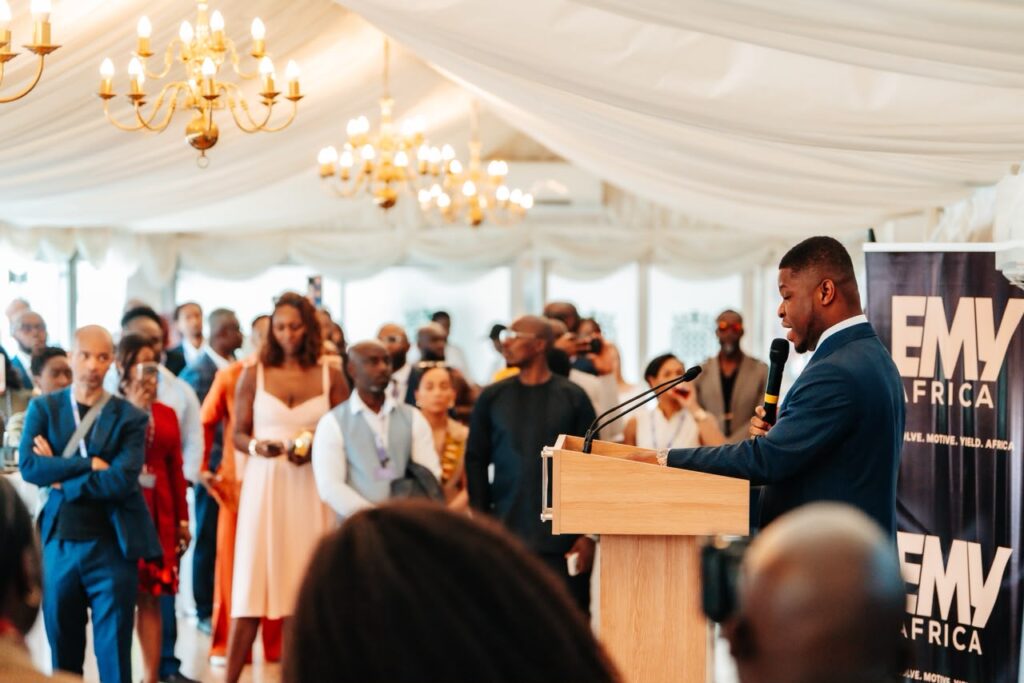
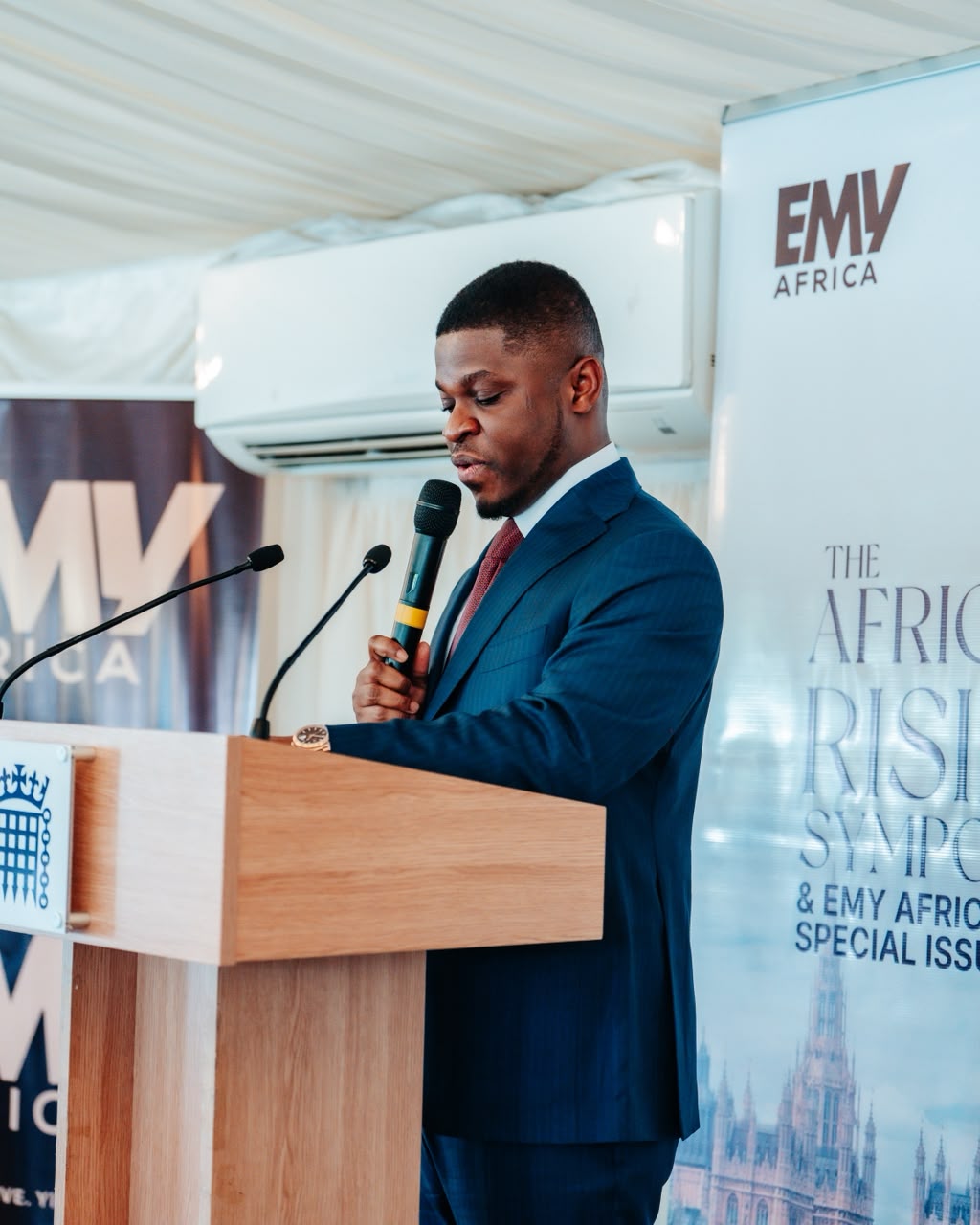
Speaking at the EMY Africa – Africa Rising Symposium in London on Thursday, July 30, 2026, Mr. Gyamfi said the establishment of GoldBod represents a deliberate policy shift aimed at transforming Ghana from a producer of raw minerals into a country that derives greater economic value from its gold resources through formalisation, value addition and stronger national ownership.
He said Africa’s vast mineral wealth continues to generate significant benefits for foreign economies because many countries export raw commodities while importing higher-value finished products.
“As Chief Executive Officer of GoldBod, I speak from a sector that captures Africa’s paradox. Africa is rich in minerals, yet too often poor in the value created from them. We export what nature gave us and import what human ingenuity made of it,” Mr. Gyamfi told attendees.
“We celebrate production and surrender processing, financing, invention and pricing power”, he added.
Describing GoldBod as one of Ghana’s most significant institutional reforms, he said the organisation demonstrates the role governments can play in creating systems that maximise national value from strategic resources.
“The GoldBod is an important part of Ghana’s answer to this age-long problem. It is a success story because it demonstrates what becomes possible when the state acts not merely as a regulator, but as a strategic architect of national value,” he emphasised.
Mr. Gyamfi said GoldBod has, within a short period, strengthened efforts to formalise Ghana’s gold trade, combat smuggling, promote responsible sourcing and improve accountability across the gold value chain while supporting foreign exchange generation and creating opportunities for greater investment in value addition.
He said the institution is building “a well-organised, transparent and value-focused gold ecosystem” that positions gold as a driver of economic stability, industrialisation and job creation rather than merely an export commodity.
Looking ahead, Mr. Gyamfi announced that GoldBod will introduce gold-backed tokenised investment assets to expand African ownership of mineral wealth and deepen participation in the continent’s resource economy.
“We will soon be rolling out our gold-backed tokenisation investment assets which will open the way for more Africans to own the mineral wealth of Africa,” he revealed.
Mr. Gyamfi urged African governments to build strong institutions capable of converting natural resource wealth into long-term prosperity, arguing that sustainable transformation depends on governance structures that can preserve value, attract investment and create opportunities for future generations.
“Africa’s rise must mean African resources creating African industries, African jobs, African brands, African wealth, African reserves and African dignity,” he declared.
Barely a year after establishment, GoldBod’s reforms are increasingly attracting continental attention, with delegations from Zambia, Tanzania, Burundi, Mozambique, Sierra Leone among others, visiting Ghana to understudy the institution’s innovative model for gold sector governance, formalisation and value addition, reinforcing its growing reputation as a benchmark for mineral sector reform in Africa.