Ghana’s ‘Golden’ Comeback: How Global Gold pricing rise signals economic rebound through GoldBod
As gold rises to new heights, recently reaching US$3,949 per ounce, Ghana finds itself riding a wave of opportunity.
In April 2025 alone, according to the Ghana Gold Board (GoldBod), gold exports reached a historic US$897.6 million, boosting foreign exchange inflows and strengthening the cedi.
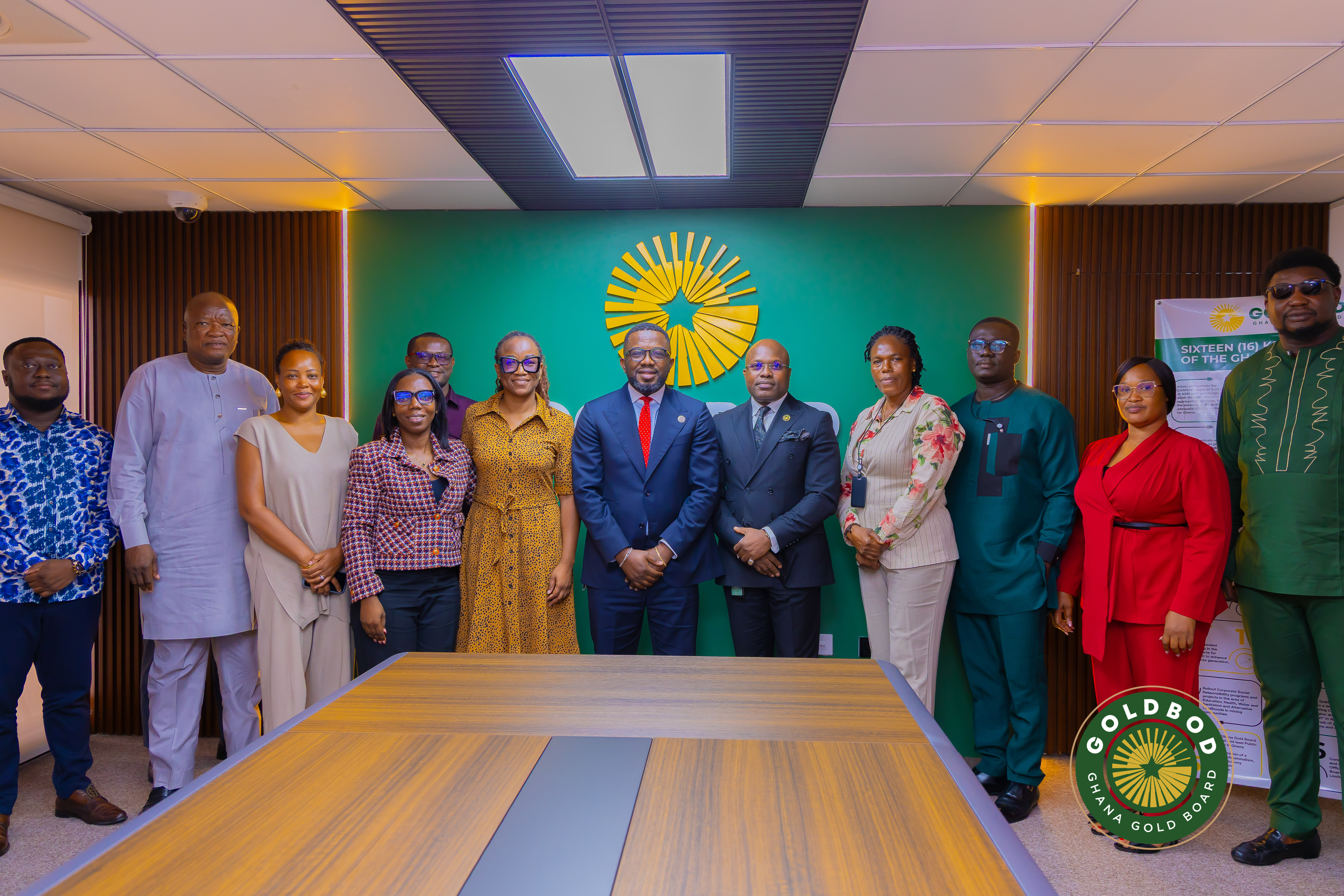
At the core of this momentum is GoldBod, the Ghana Gold Board, which is empowered and working to turn the global gold boom into sustainable, broad-based growth.
GoldBod was established under the 2025 Act to centralize Ghana’s gold trade and close loopholes that enabled smuggling and revenue leakages.
Under its mandate, it holds exclusive authority to buy, assay, grade, and export gold from licensed artisanal and small-scale miners.
Its structure and powers aim to ensure that more value accrues domestically, even as global gold prices climb.
Reform in Action
GoldBod is already backing reform with visible action.
It has launched a nationwide traceability system designed to ensure that each ounce of gold can be traced from source to sale.
It has also donated five Toyota pickups and GH¢5 million to support Ghana’s anti-illegal mining task forces, reinforcing its commitment to enforcement.
In a recent statement, Sammy Gyamfi Esq., the CEO of GoldBod, said, “We are committed to transforming Ghana’s gold trading industry to optimize national benefits through responsible sourcing, value-chain traceability, value addition, and sustainability.”
This is more than signaling. GoldBod has taken steps to suspend licences, clamp down on gold smuggling, and enforce stricter compliance.
As of May 1, 2025, some foreign traders have been barred from local gold dealings, with only GoldBod permitted to lawfully trade artisanal gold.
Why This Matters for Recovery
A. Larger Official Exports + Foreign Exchange Inflows
The spike in gold exports enables the state to strengthen its reserves and mitigate pressure on the cedi. With illegal exports now under tighter control, more foreign exchange can flow through official channels, creating stronger buffers for macroeconomic stability.
B. Fiscal Leverage
Stronger gold revenues mean more room for public investment, less need for aggressive borrowing or monetary expansion, and a potentially stronger position in debt markets.
C. Curbing Galamsey & Environmental Damage
Illegal mining has ravaged rivers, farmland, and ecosystems. With GoldBod enforcing licensed trade and traceability, the hope is that fewer tons of gold will escape regulation and that environmental damage can be reduced.
D. Value Retention & Industry Linkages
GoldBod promotes value addition, refining, jewellery manufacturing, and local fabrication, thereby strengthening Ghana’s industrial sector rather than merely exporting raw gold.
E. Signaling Credibility to Investors
A credible, rule-based gold authority sends a signal to global capital that Ghana is committed to good governance. During periods of high gold prices, that credibility can be particularly important.
Risks and Caveats
Gold alone is not a cure-all.
If sudden gold windfalls are mismanaged through excessive government spending, the gains could quickly evaporate. Critics also caution that combining regulatory, commercial, and enforcement roles within a single agency could create conflicts of interest if not carefully managed.
Gold prices are also volatile. Ghana cannot assume that prices will continue rising indefinitely. Residual informal actors may still evade oversight, keeping smuggling alive. Heavy dependence on gold could also risk crowding out the need for broader economic diversification.
The Verdict
Ghana is on a promising path toward economic recovery, but the opportunity is not solely the result of rising gold prices. The timing is favourable, with global gold demand remaining strong, while GoldBod has the legal authority and institutional framework to potentially convert that price boom into lasting national value.
If vigilance, transparency, and fiscal discipline are maintained, this “golden moment” could serve as a foundation for broader economic resilience rather than becoming just a fleeting flash.