GoldBod, 14 Engineer Brigade Restore 50 Hectares of Degraded Tano-Nimiri Forest Reserve
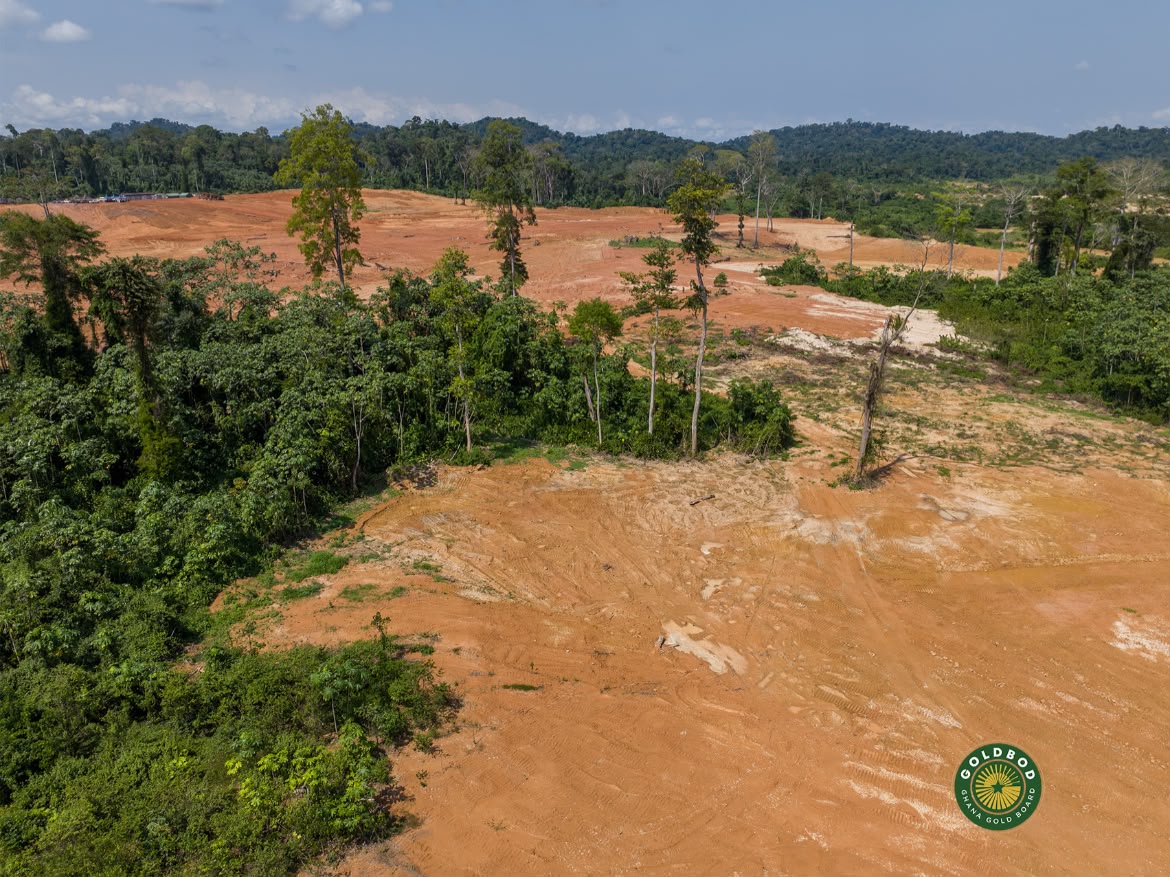
The Ghana Gold Board (GoldBod), in collaboration with the Ghana Armed Forces, has successfully reclaimed 50 hectares of degraded land within the Tano-Nimiri Forest Reserve as part of efforts to restore areas devastated by illegal mining.
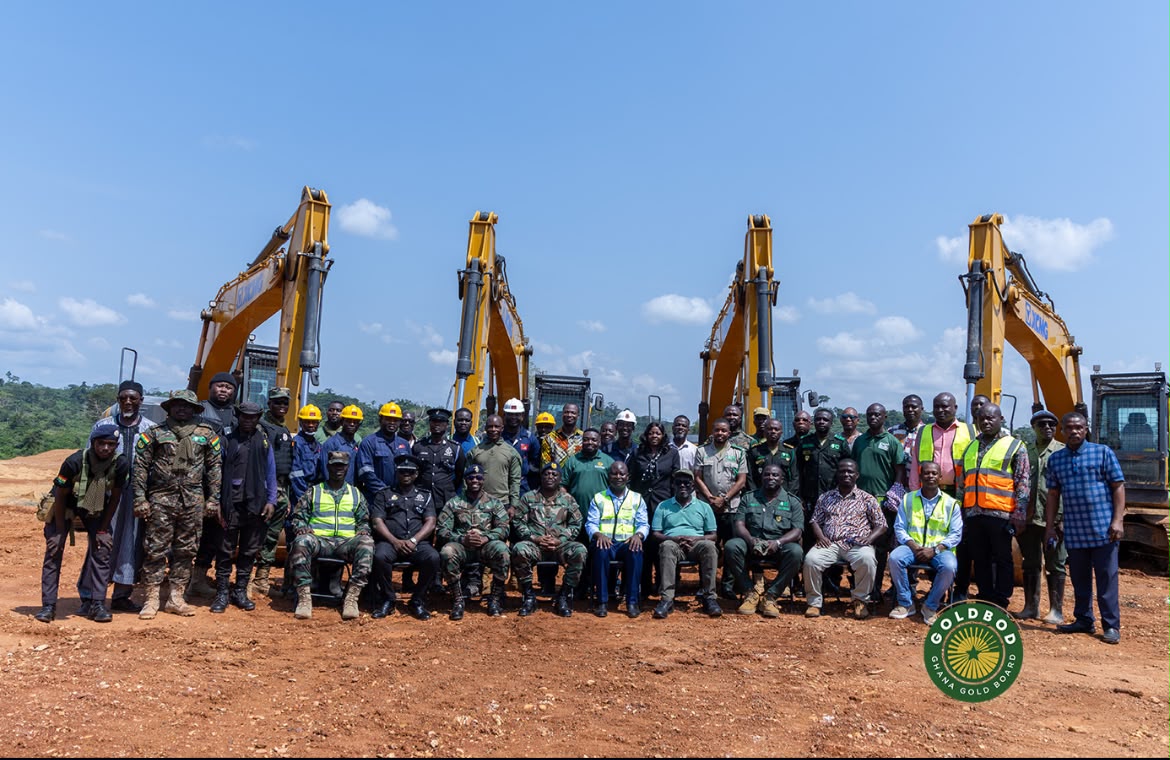
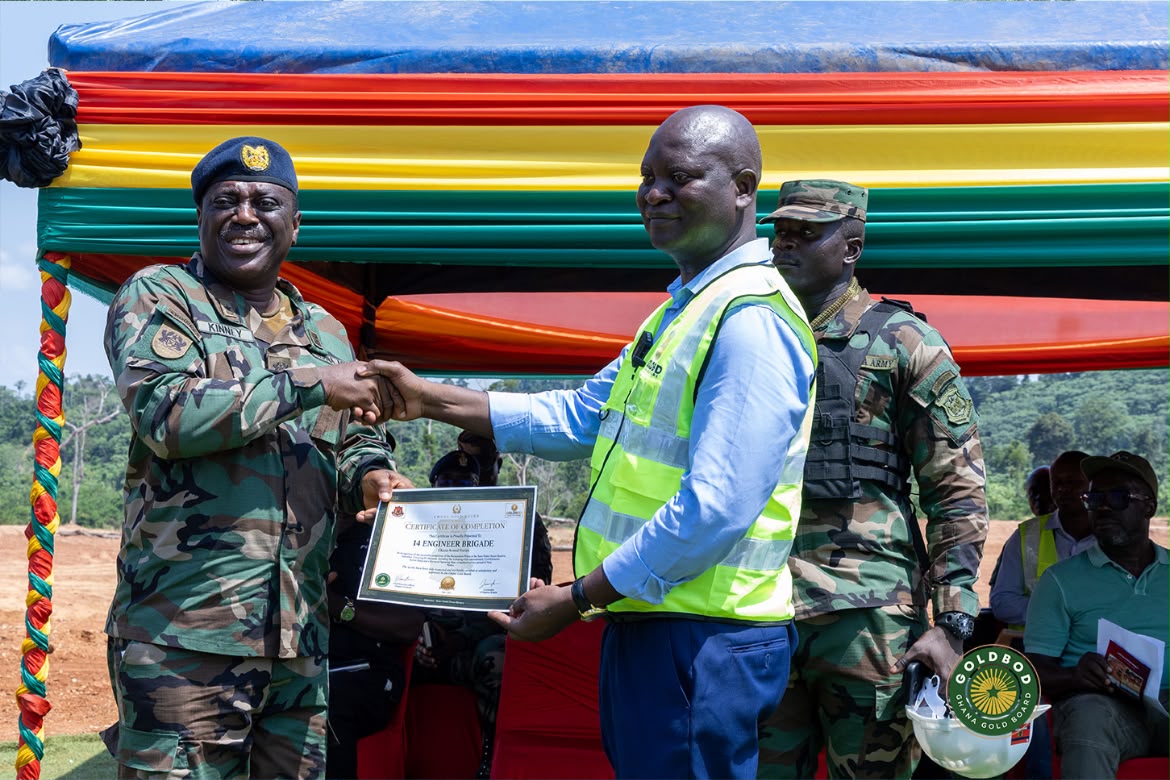
The first phase of the reclamation project, executed by the 14 Engineer Brigade of the Ghana Armed Forces, has been completed, with the reclaimed land formally handed over to GoldBod.
The Board will subsequently transfer the area to the Forestry Commission for reforestation, ecological restoration and long-term protection.
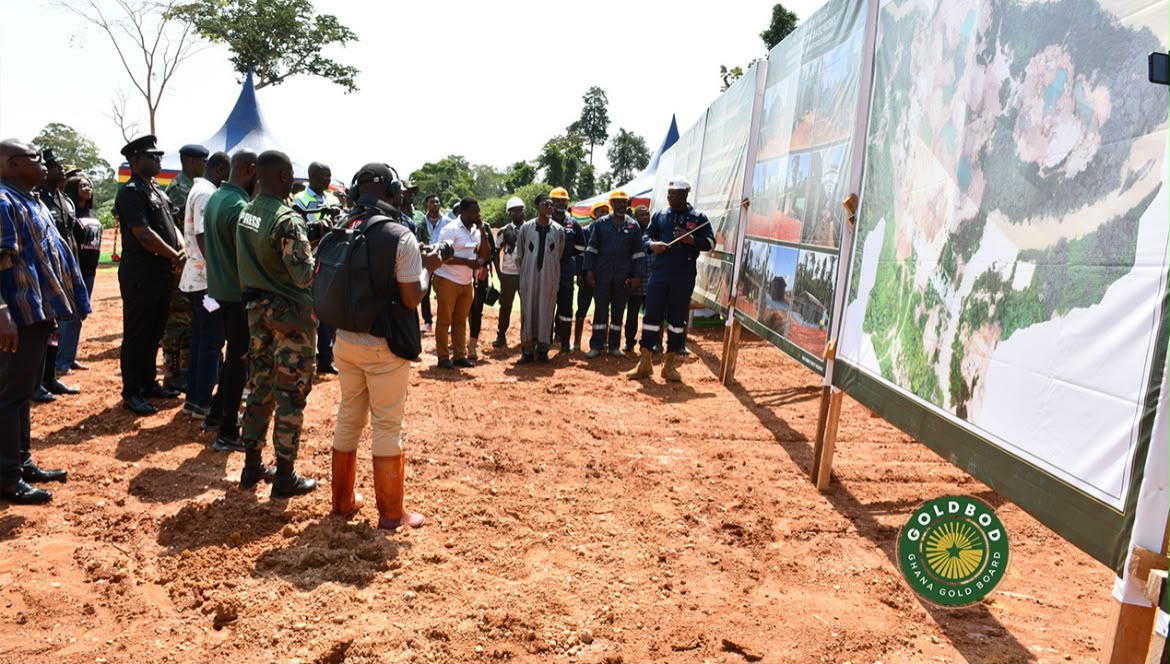
The project, initiated under GoldBod's Corporate Social Responsibility (CSR) programme, involved extensive engineering works to reclaim abandoned mining pits, restore degraded landscapes, reconstruct access infrastructure and establish a Forward Operating Base to support the protection of the forest reserve.
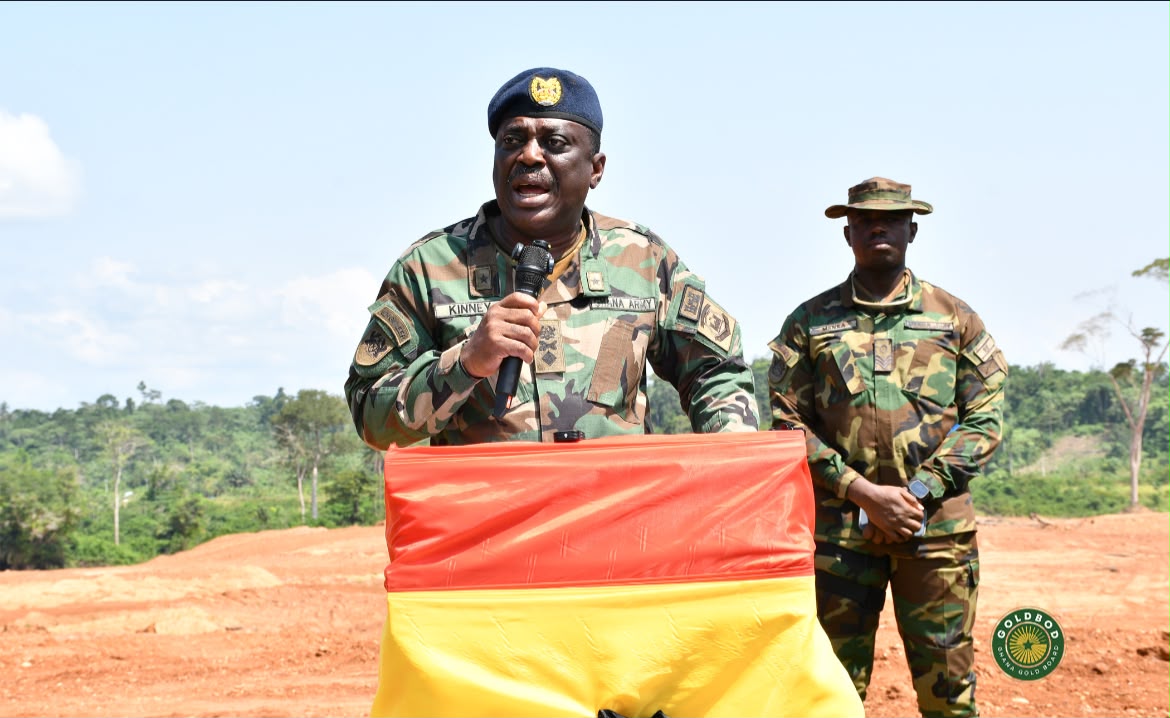
The Commander of the 14 Engineer Brigade, Brigadier General Richard Kinney, disclosed that the engineering team identified ten major abandoned mining pits, some reaching depths of approximately 20 feet and widths of between 30 and 50 metres. The Brigade undertook extensive earthworks, dewatering, soil stabilisation and landscape reshaping to restore the affected areas and minimise erosion.
The Brigade also reconstructed eight bridges and improved access along a 13.6-kilometre road to facilitate the movement of personnel and heavy-duty equipment to the remote forest compartment.
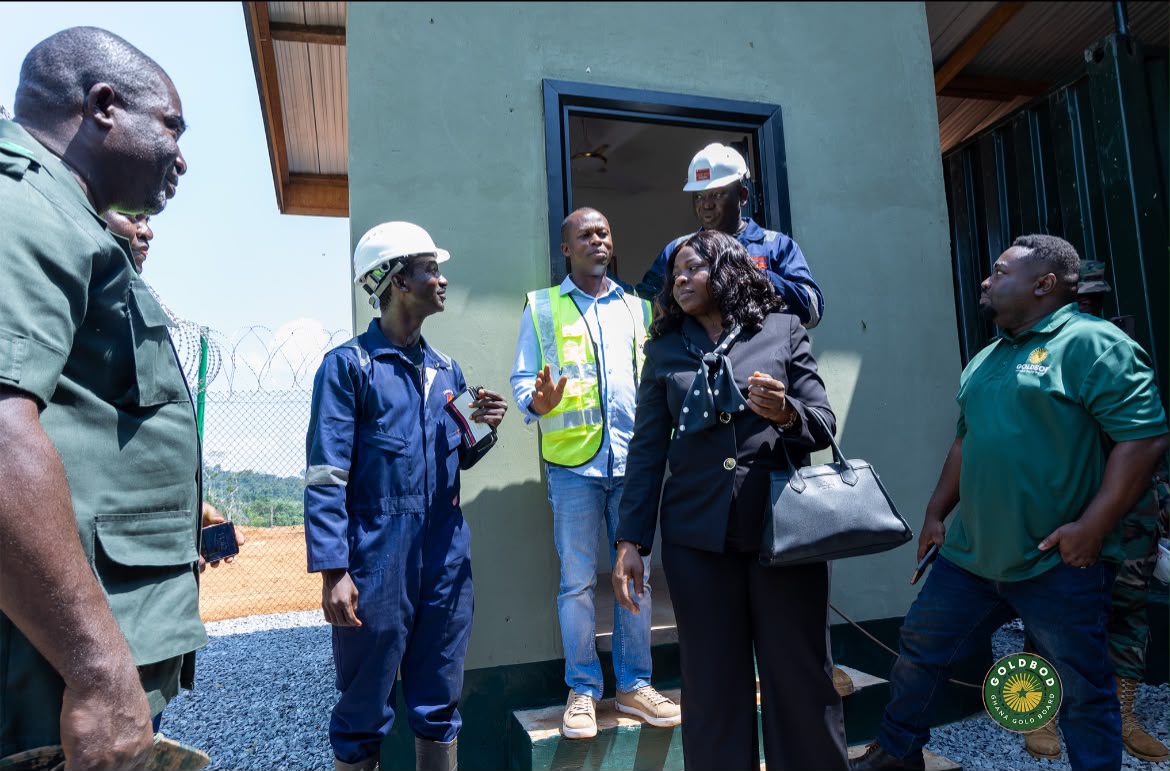
As part of measures to prevent renewed illegal mining, the project included the establishment of a Forward Operating Base comprising ten prefabricated containers designed to accommodate ten Forestry Commission personnel. The facility is equipped with borehole water, solar-powered electricity, washrooms, a kitchen and security fencing.
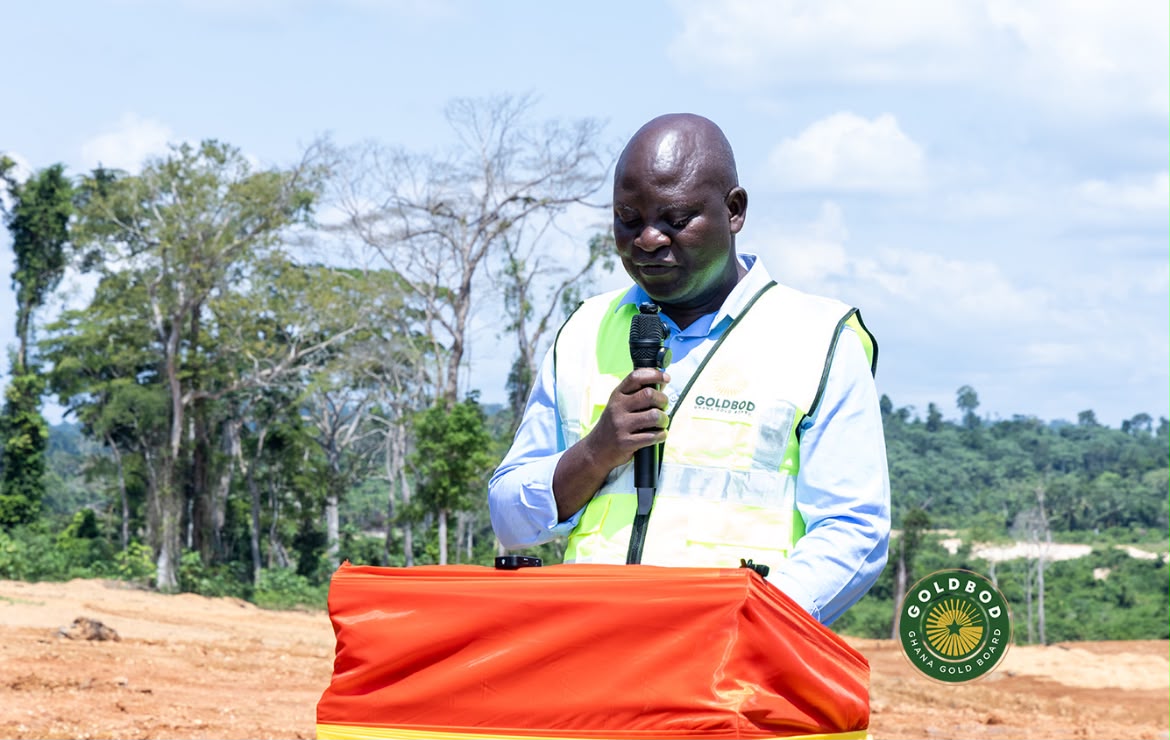
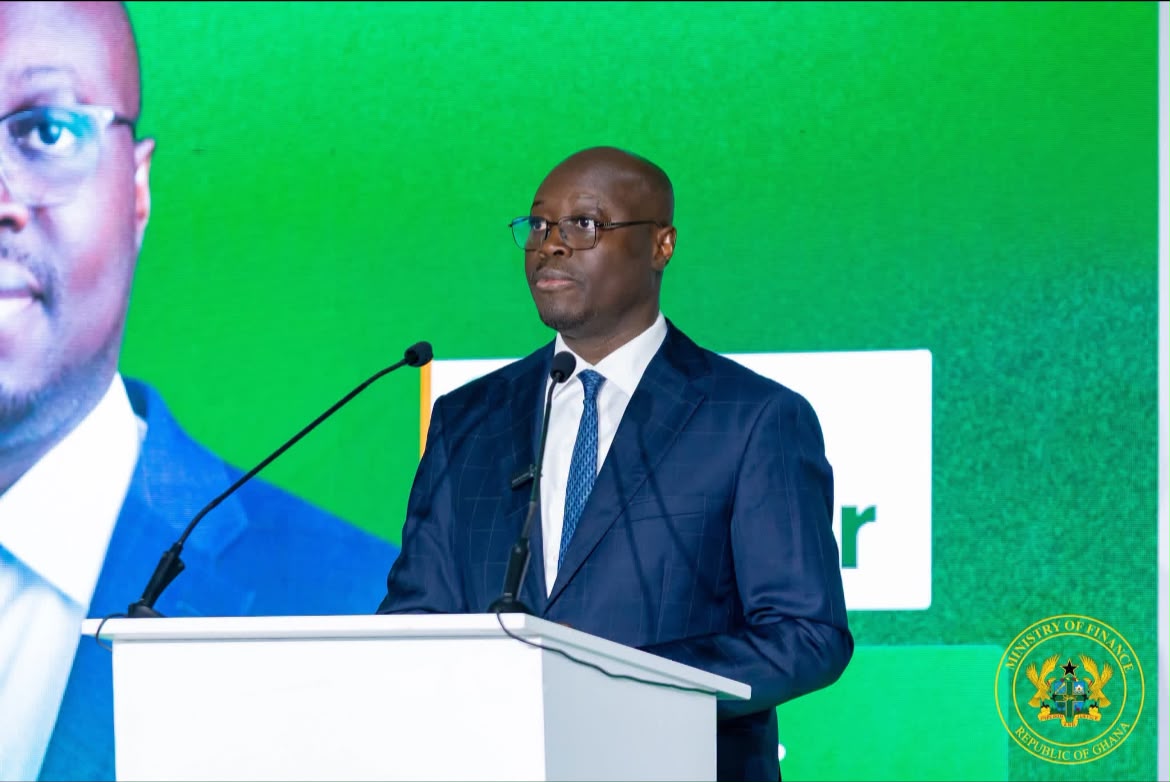
Representing GoldBod's Chief Executive Officer, Sammy Gyamfi, Esq., the Deputy Director of Mining Operations, James German, described the intervention as a demonstration of how institutional collaboration and technical expertise could reverse environmental degradation.
He stressed that responsible mining must go beyond regulatory compliance to include practical environmental restoration and sustainable land management.
He further disclosed that GoldBod's arrangement with the Forestry Commission provides for a ten-year commitment to sustained restoration and monitoring. The Commission will undertake tree planting and other ecological restoration activities to facilitate the recovery of the forest ecosystem.
The intervention involved collaboration among GoldBod, the Ministry of Defence, the Ghana Armed Forces, the Forestry Commission, regulatory agencies and other stakeholders.
The project reinforces GoldBod's commitment to responsible mining, environmental sustainability and the protection of Ghana's natural resources.