GoldBod Emerges as Key Driver of Ghana’s Accelerated National Reserve Accumulation Policy
The
Ghana Gold Board (GoldBod) is taking a central role in the implementation of
the Ghana Accelerated National Reserve Accumulation Policy (GANRAP), a major
government initiative aimed at strengthening Ghana’s international reserves and
reducing the economy’s vulnerability to external shocks.
Led
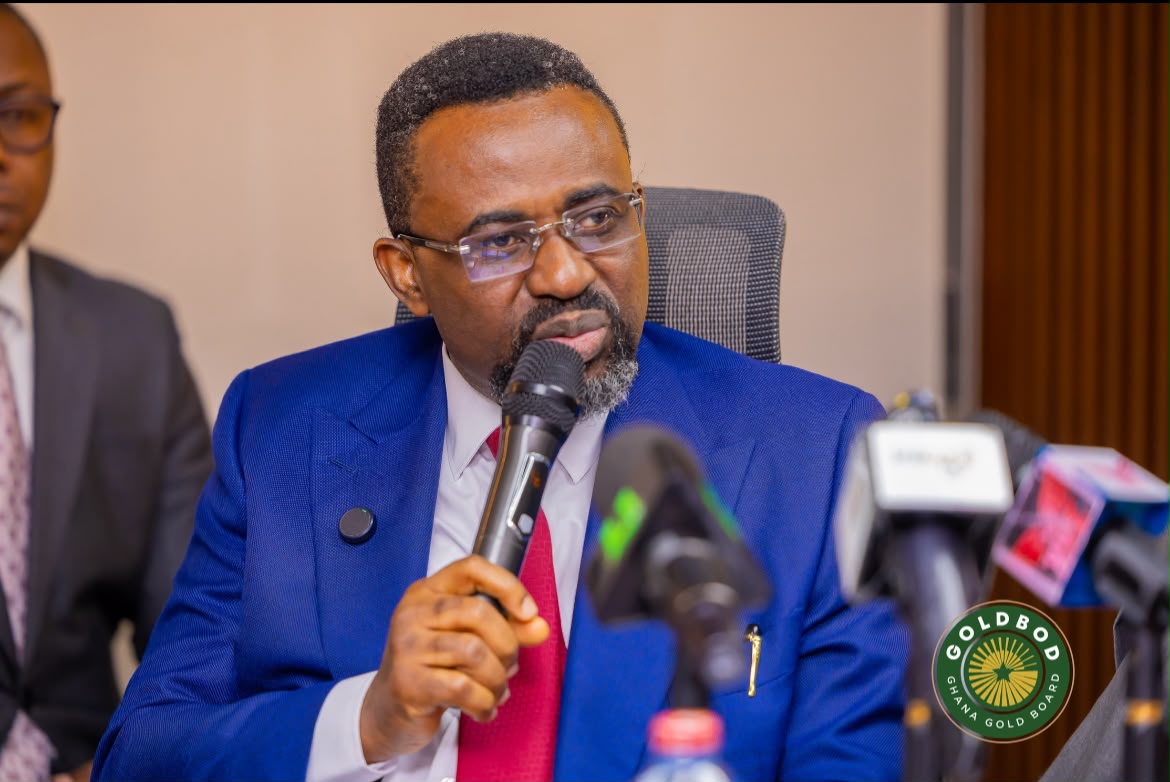
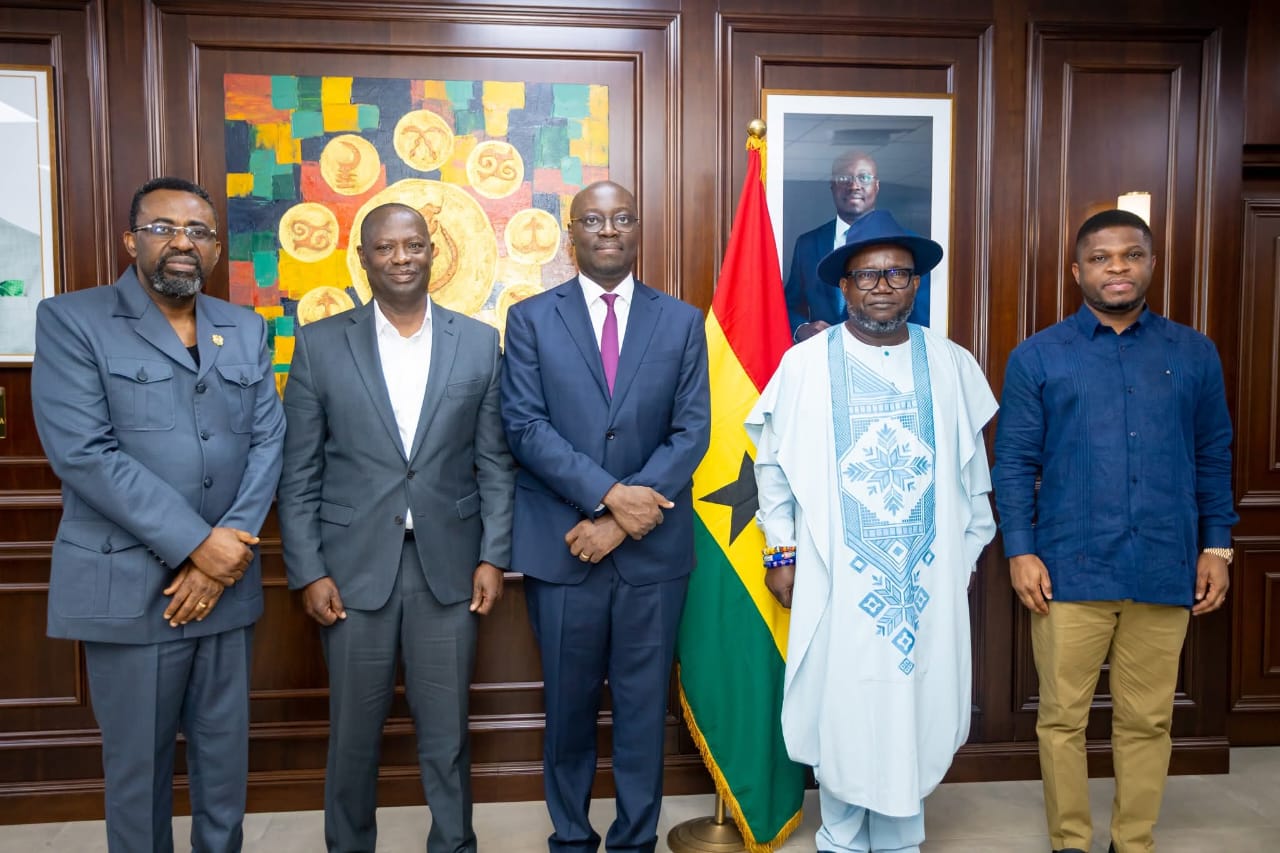
by its Chief Executive Officer, Mr. Sammy Gyamfi, Esq., GoldBod has joined the
Ministry of Finance, the Ministry of Lands and Natural Resources, the Bank of
Ghana and the Ghana Chamber of Mines in implementing a landmark Memorandum of
Understanding that will secure 30 percent of Ghana’s large-scale gold
production for the country’s strategic reserves.
As
the principal operational institution under the policy, GoldBod will purchase
and aggregate the designated gold and facilitate its channeling into local
refining and reserve accumulation.
The
arrangement significantly expands GoldBod’s strategic importance within Ghana’s
gold economy. Beyond its established mandate of regulating the gold trade,
formalising the artisanal and small-scale mining sector and strengthening
traceability, the institution will now serve as a critical link between Ghana’s
gold production and its reserve accumulation strategy.
The
policy seeks to increase Ghana’s international reserves to the equivalent of 15
months of import cover by 2028, well above the internationally accepted
benchmark for reserve adequacy.
Achieving
this target would provide the economy with a stronger buffer against external
shocks while reducing reliance on costly external borrowing.
GoldBod’s
role is particularly significant because the success of GANRAP depends on an
efficient system for purchasing, aggregating, refining and accounting for gold
earmarked for national reserves.
The
initiative also supports Ghana’s broader objective of increasing domestic value
addition by directing the acquired gold towards local refining rather than
relying solely on the export of unrefined bullion.
For
the Ghanaian economy, stronger reserves can improve foreign exchange
resilience, support exchange-rate stability and strengthen confidence in the
economy.