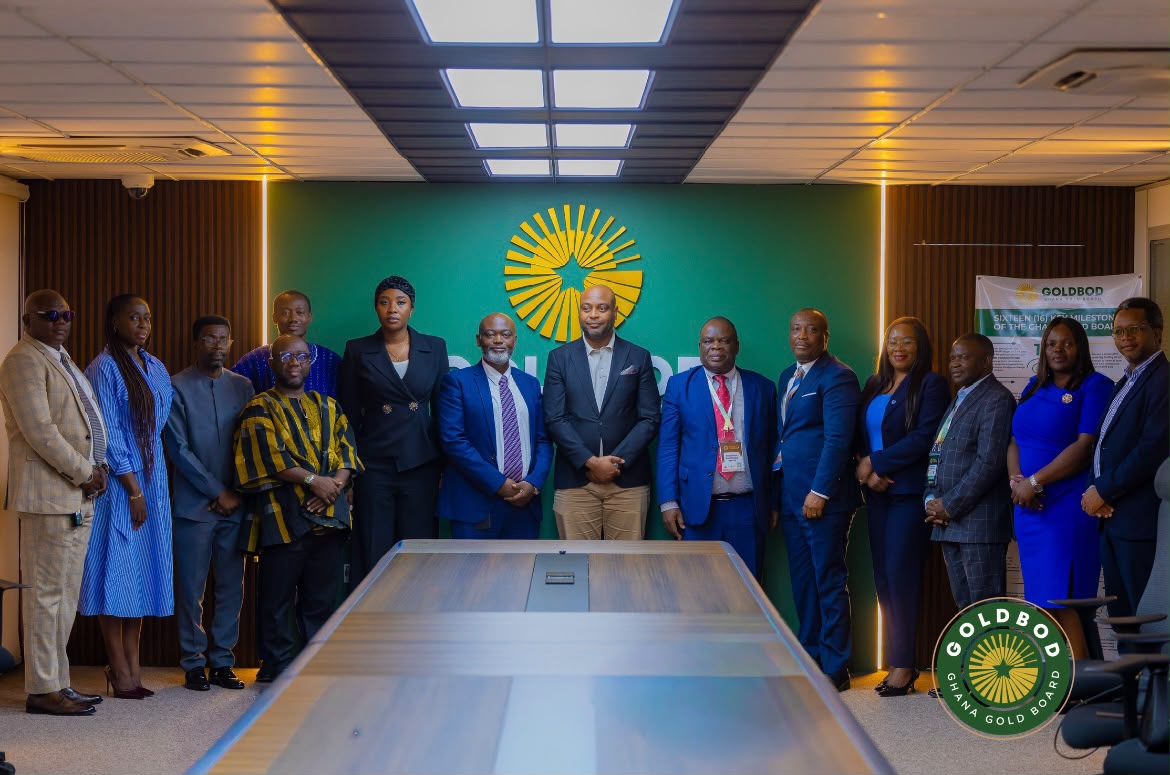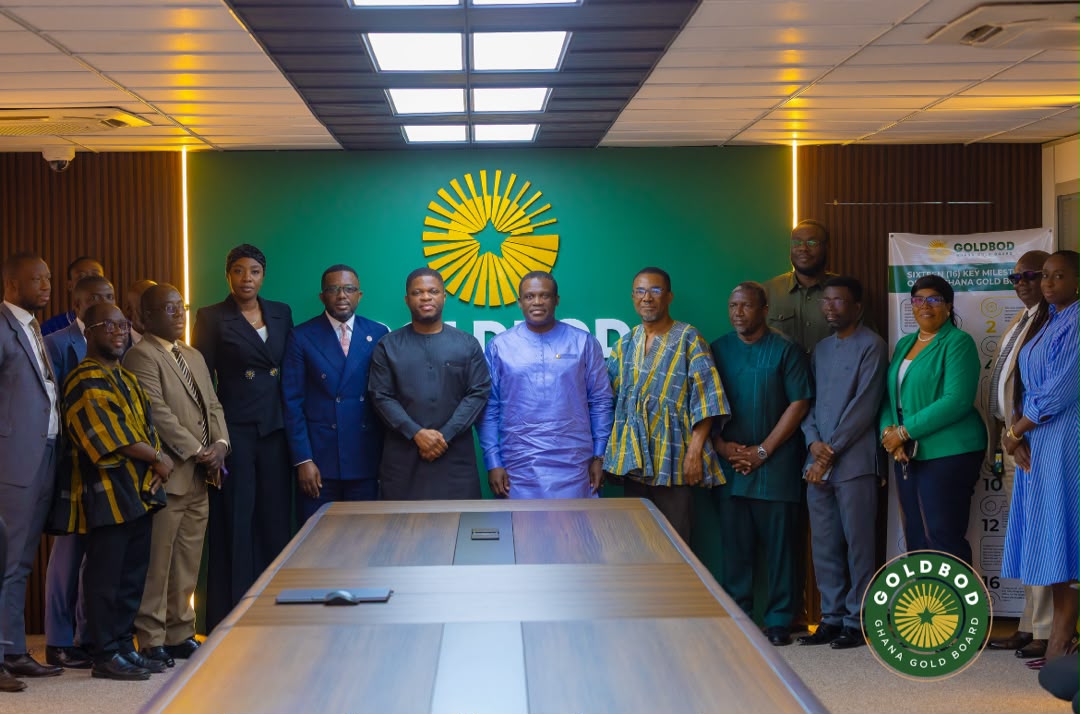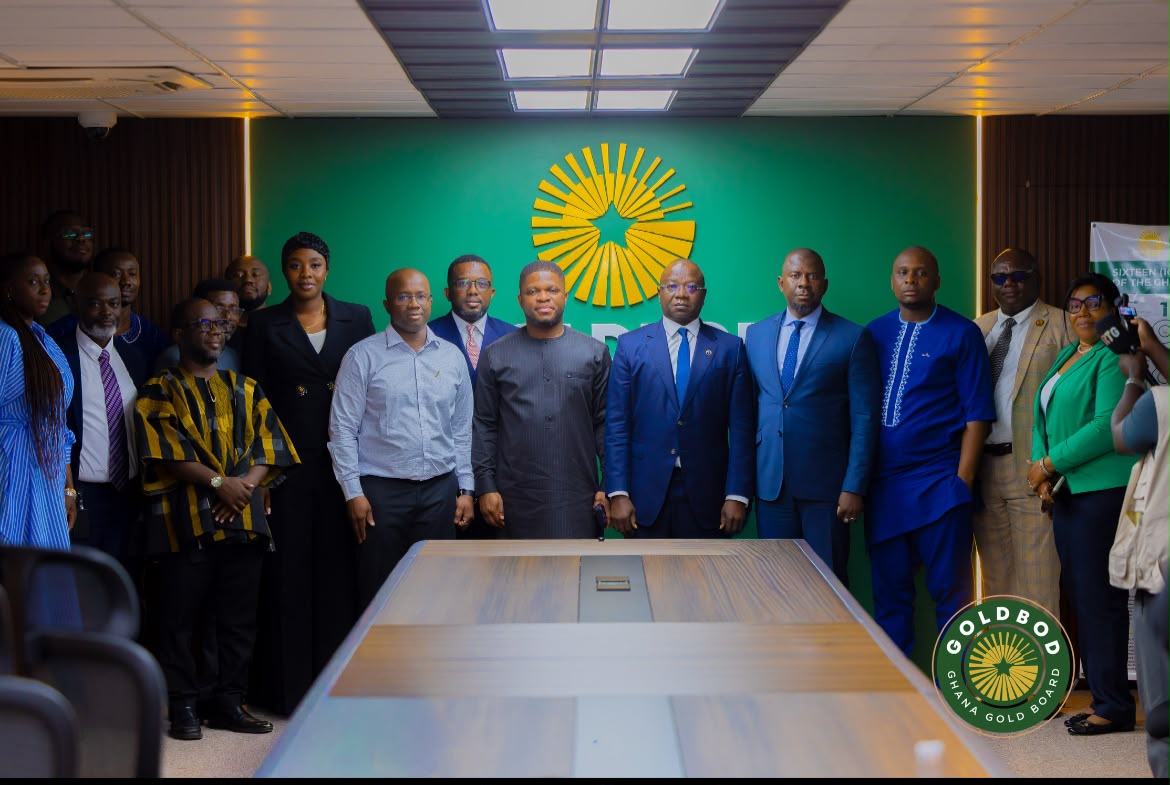
GoldBod, Guinea Exchange Ideas on Gold Trade and Resource Management
The Ghana Gold Board (GoldBod)
has engaged a delegation from Guinea, led by the country’s minister for Mines
and Geology, to exchange experiences on gold pricing, financing, regulation and
foreign-exchange mobilisation.
The discussions provided an
opportunity for both countries to examine practical approaches to organising
their gold sectors, strengthening formal trading systems and ensuring that
mineral resources generate greater economic benefits.
GoldBod Chief Executive Officer,
Sammy Gyamfi, Esq. outlined Ghana’s experience in formalising the gold trade,
explaining the pricing arrangements, financing mechanisms and regulatory
safeguards underpinning the country’s reforms.
On pricing, Mr. Gyamfi said Ghana
purchased gold at market prices in 2025 and 2026, with plans to introduce a
discount of approximately two to three per cent in 2027.
He emphasised the need to balance
international gold prices and local exchange rates while maintaining
competitive prices that encourage miners and traders to use official channels.
The discussions also examined
financing options available to countries seeking working capital for gold
purchases. These included central-bank liquidity arrangements, commercial-bank
financing, foreign-exchange intermediation and advance payments from international
buyers under gold offtake agreements.
Mr. Gyamfi explained that
foreign-exchange intermediation could connect gold purchases with businesses
requiring US dollars for legitimate imports. Under the arrangement, local
currency provided by businesses could finance gold purchases, while export
proceeds would help supply the required foreign exchange.
He also discussed offtake
advances, through which international buyers provide funding ahead of agreed
gold deliveries, noting that the commercial terms and discounts demanded must
be carefully assessed.
On regulation and risk
management, the GoldBod CEO highlighted the importance of robust licensing, due
diligence, transaction monitoring and appropriate guarantees to safeguard funds
used for gold purchases. He outlined Ghana’s experience working with licensed
buyers and aggregators within a structured regulatory framework.
The engagement further explored
the importance of traceability, effective oversight and proper accounting for
gold export proceeds in strengthening formal trading systems.
For the Guinean delegation, the
discussions offered an opportunity to assess Ghana’s approaches alongside
Guinea’s own institutional, financial and market conditions.
The exchange underscored the
value of African cooperation and knowledge-sharing in developing gold-sector
policies suited to national circumstances. It also created an opportunity for
further engagement on pricing, financing, regulation and foreign-exchange
mobilisation as both countries pursue greater economic returns from their
mineral resources.