Prez. Mahama: GoldBod Policy to Boost Local Gold Testing and Refining, Retain More Value in Ghana
President John Dramani Mahama has
highlighted the potential of the Ghana Gold Board’s (GoldBod) new policy to
strengthen local gold testing and refining, ensuring that a greater share of
the value generated from Ghana’s gold resources remains within the domestic
economy.
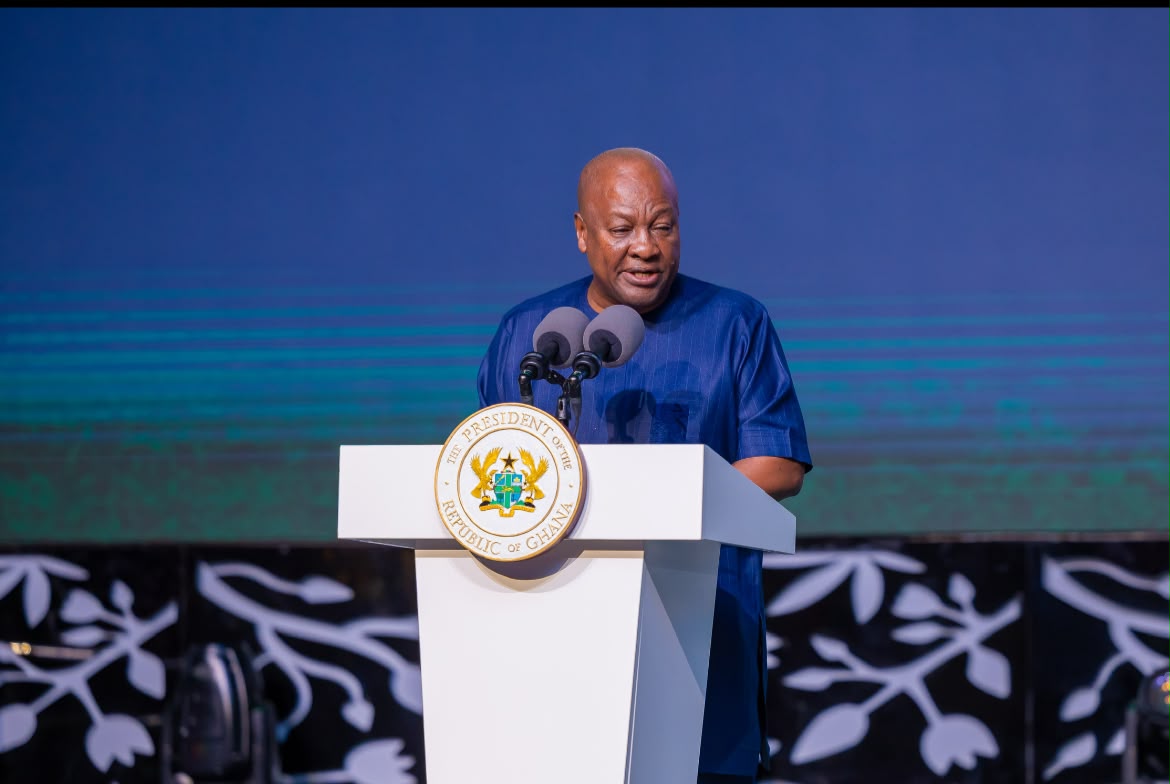
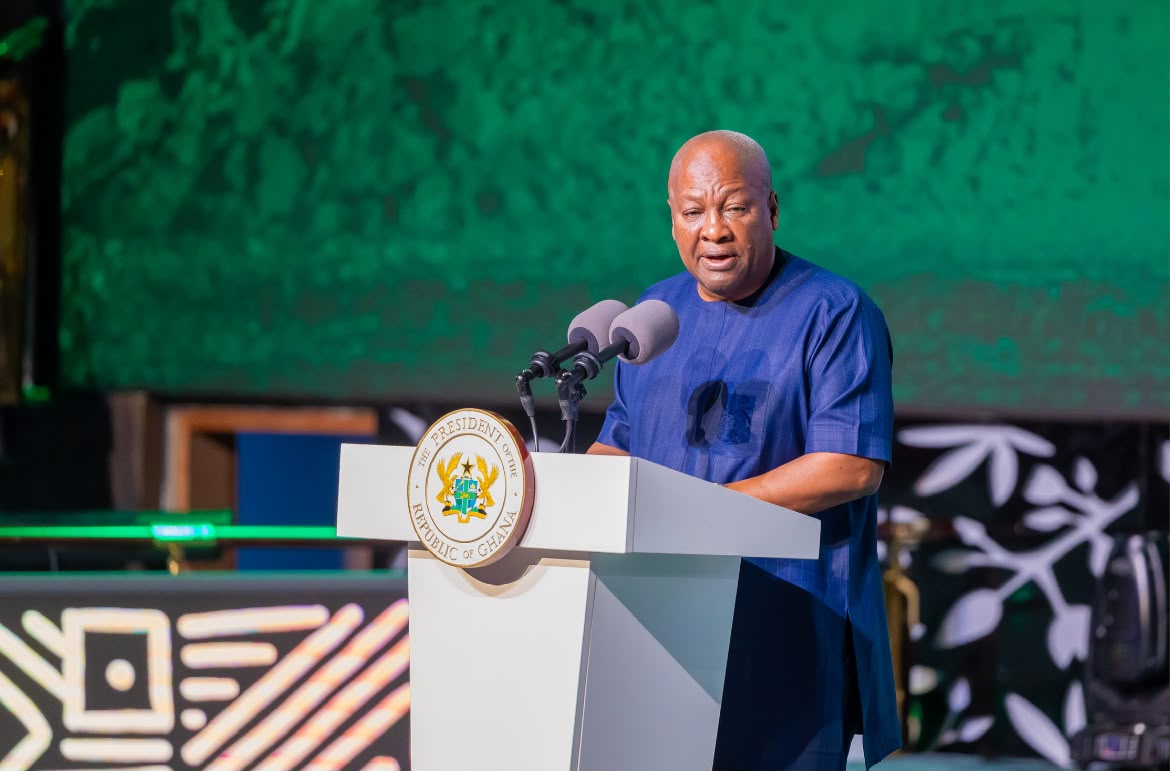
The President made the remarks at
the 2026 Mining in Motion Forum organised by the African Minerals Policy
Centre, where discussions centred on advancing Ghana’s mineral sector and
maximising the economic benefits of the country’s natural resources.
The policy is expected to promote
greater local participation in gold testing and refining, two critical stages
in the gold value chain that influence the quality verification, processing and
commercial value of the precious metal.
By strengthening domestic
capacity in these areas, Ghana could retain more economic activity locally,
create opportunities for skilled employment, support the growth of related
industries and reduce its dependence on external facilities for essential gold-processing
services.
The initiative also aligns with
broader efforts to increase local value addition to Ghana’s mineral resources,
moving beyond the extraction and export of raw materials towards a more
integrated domestic gold industry.
GoldBod plays a central role in
Ghana’s gold-trading framework, particularly in the formalisation and
regulation of the small-scale gold sector. Improving local testing and refining
capacity would complement these efforts by supporting transparency, quality assurance
and the development of a stronger domestic gold value chain.
The President’s remarks
underscore the importance of ensuring that Ghana captures more than the
immediate proceeds from gold exports by developing the technical expertise,
infrastructure and industrial capacity needed to derive greater long-term
benefits from its mineral wealth.
Further details on the policy’s
implementation, including the applicable requirements, timelines and measures
for expanding local testing and refining capacity, would be necessary to assess
its expected economic impact.