Ghana Moves to Strengthen Foreign Exchange Reserves in a GoldBod-BoG Agreement
The Ghana Gold Board (GoldBod) and the Bank of Ghana are set to sign an agreement that will enable GoldBod to sell its foreign exchange earnings to the Central Bank.
The move, according to Finance Minister Dr. Cassiel Ato Forson, is aimed at strengthening Ghana’s foreign exchange reserves and ensuring effective management of gold-related inflows.
He explained that the cost of the foreign exchange purchase will be mutually agreed upon by both parties, with GoldBod expected to play a key role in managing and consolidating the country’s gold reserves.
“Mr. Speaker, the Bank of Ghana and the Ghana Gold Board shall sign an agreement which will mandate the Ghana Gold Board to sell the foreign exchange accrued under this policy to the Bank of Ghana only, at a cost determined by the two parties,” he said.
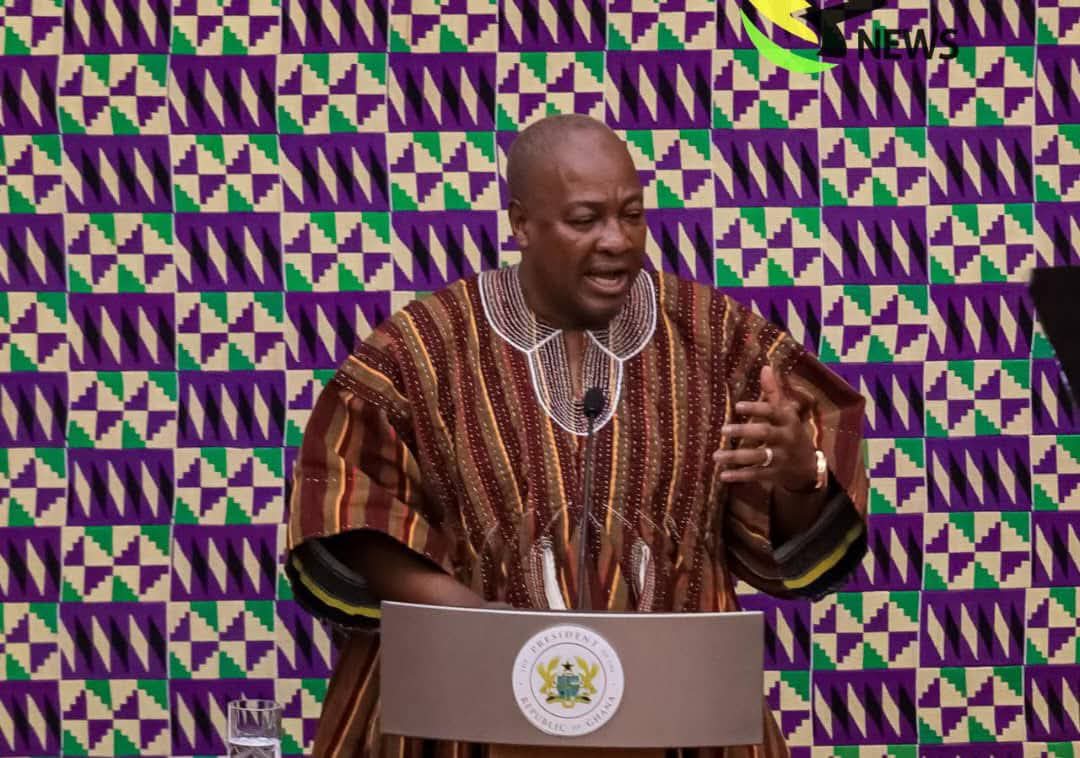
Dr. Forson, on Wednesday, February 25, 2026, announced that GoldBod will lead Ghana’s first comprehensive national policy aimed at building sustainable macroeconomic stability and stronger external reserves.
The Ghana Accelerated National Reserve Accumulation Policy (GANARAP) will leverage gold resources to strengthen Ghana’s foreign exchange reserves and support long-term economic stability.
The policy is expected to further improve Ghana’s foreign exchange position, which has already recorded significant gains, with gross international reserves reaching $13.8 billion, equivalent to 5.7 months of import cover.
Presenting the Ghana Accelerated National Reserve Accumulation Policy to Parliament, Dr. Forson described the initiative as historic and a strategic shift toward a structured, gold-backed, and reform-driven reserve accumulation framework.
“Gold as a strategic anchor central to the policy is a deliberate gold-backed reserve accumulation strategy anchored on the Ghana Gold Board Act, 2025 (Act 1140), which mandates the Ghana Gold Board to generate foreign exchange and support gold reserve accumulation by the Bank of Ghana,” he explained.
To achieve the objectives of the policy, the Finance Minister revealed that government has set an operational weekly gold purchase target of approximately 3 tonnes, comprising at least 2.45 tonnes from the artisanal and small-scale mining (ASM) sector and a minimum of 0.57 tonnes from the large-scale mining sector.
According to him, gold purchased under the policy will be refined and added to Ghana’s physical reserves, which will only be sold with prior approval from Cabinet and Parliament.
Dr. Forson noted that the implementation of the new policy will reduce Ghana’s dependence on costly reserve-building mechanisms such as Eurobonds, swaps, sale-and-buy-back transactions, and commercial bank borrowing.
The initiative forms part of broader efforts to leverage Ghana’s mineral resources to strengthen economic resilience, improve foreign exchange management, and secure long-term macroeconomic stability.