Gold Coast Refinery pledges ethical gold sourcing in landmark deal with Ghana Gold Board
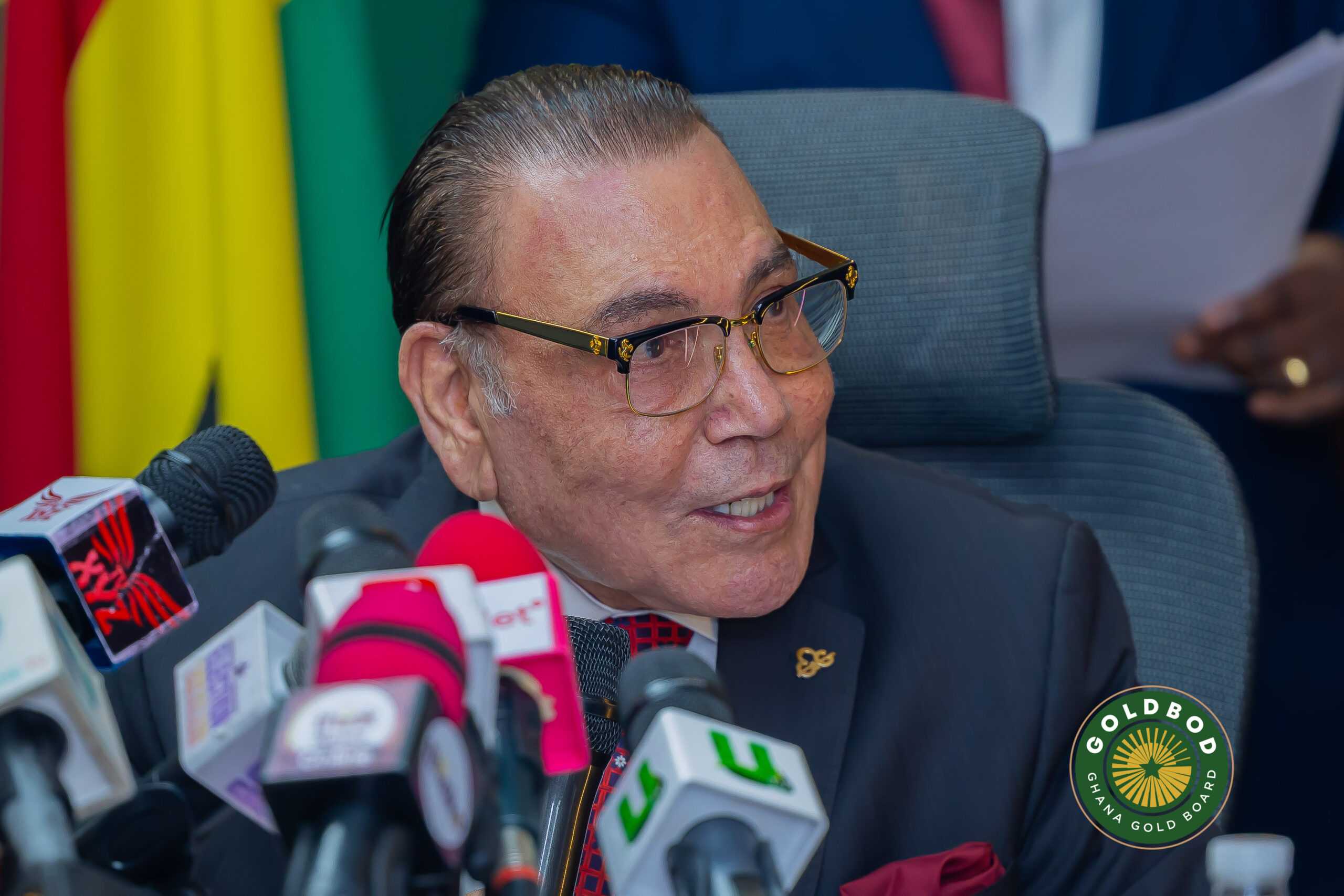
The Chairman and Chief Executive Officer of the Gold Coast Refinery, Dr. Said Deraz, has assured that only gold from responsible sources will be refined, in line with the company’s commitment to ethical practices and internationally recognised responsible sourcing standards.
The move supports the Ghana Gold Board’s (GoldBod) efforts to strengthen Ghana’s gold value chain, promote local refining, and develop a sustainable gold industry.
The Ghana Gold Board has maintained that it only purchases gold from responsible and ethical sources while intensifying measures to curb illegal gold trading and smuggling.
According to Dr. Said Deraz, it is essential for Gold Coast Refinery to support GoldBod’s commitment to sourcing gold from legitimate and traceable channels for its refining operations.
He made the remarks during the signing of a gold refining agreement between the Ghana Gold Board, Gold Coast Refinery, and Rand Refinery.
“Gold Coast Refinery has all the facilities that meet international standards. It has the capacity to process up to one hundred metric tonnes of gold annually. We hold the necessary licenses to refine gold from Africa and responsible sources, including gold supplied by the Ghana Gold Board,” he said.
The partnership between the two institutions marks a significant milestone in strengthening Ghana’s gold value chain, expanding local refining capacity, and advancing the country’s broader industrialisation agenda.
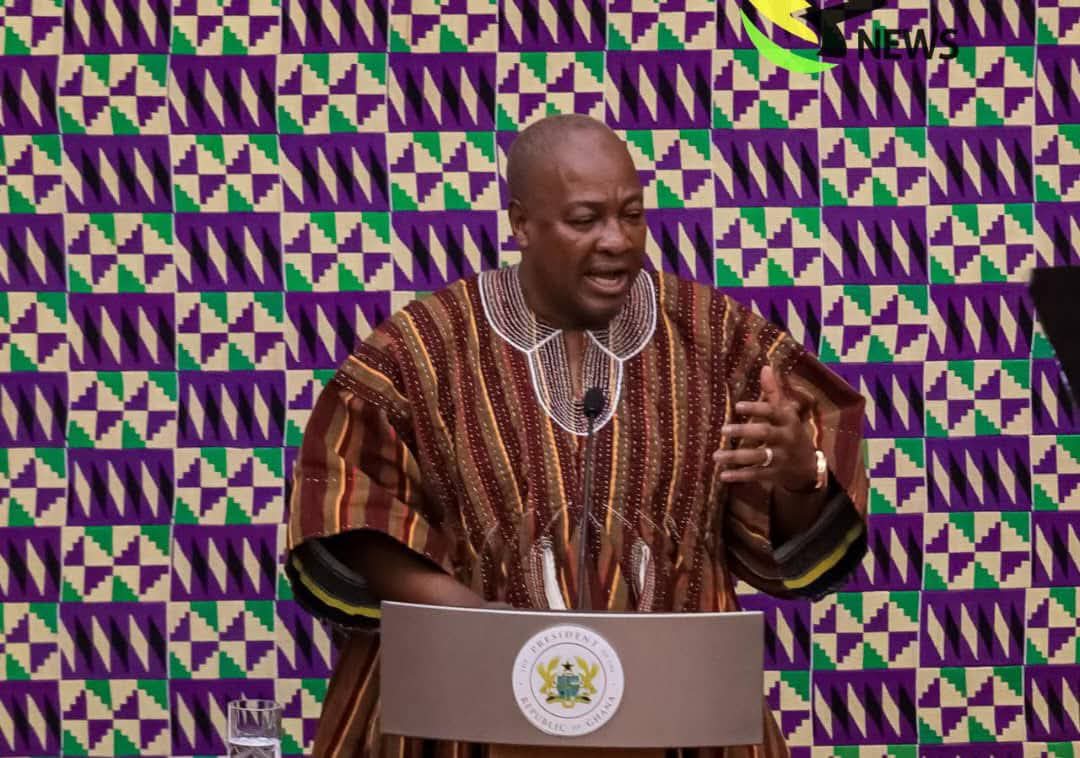
Dr. Deraz commended President John Dramani Mahama, under whose first administration the refinery was established, for his commitment to ensuring that the facility becomes operational and contributes to Ghana’s economic transformation.
“Our vision was borne from His Excellency during his first term. The Gold Coast Refinery was completed and commissioned by him in November 2016, and now it is here to support GoldBod’s drive to add value to the country’s gold,” he said.
The Gold Coast Refinery was established to promote growth within Ghana’s gold industry and support government’s broader economic objectives.
Its core mandate includes processing raw gold dust, scrap gold, and other precious metals to achieve high purity levels of up to 99.9 percent.