GoldBod, UMaT Collaborate on Sustainable Financing Framework for Small-scale Miners
The Ghana Gold Board (GoldBod)
has engaged the University of Mines and Technology (UMaT) to strengthen its
proposed Artisanal and Small-Scale Mining (ASM) Formalisation and Financing
Support Programme, aimed at improving licensing, expanding access to responsible
financing and promoting environmentally sustainable mining.
Scheduled for implementation in
2027, the programme seeks to address persistent challenges in the ASM sector,
including difficulties in obtaining mining licences, limited access to formal
credit, weak operational records and environmental degradation.
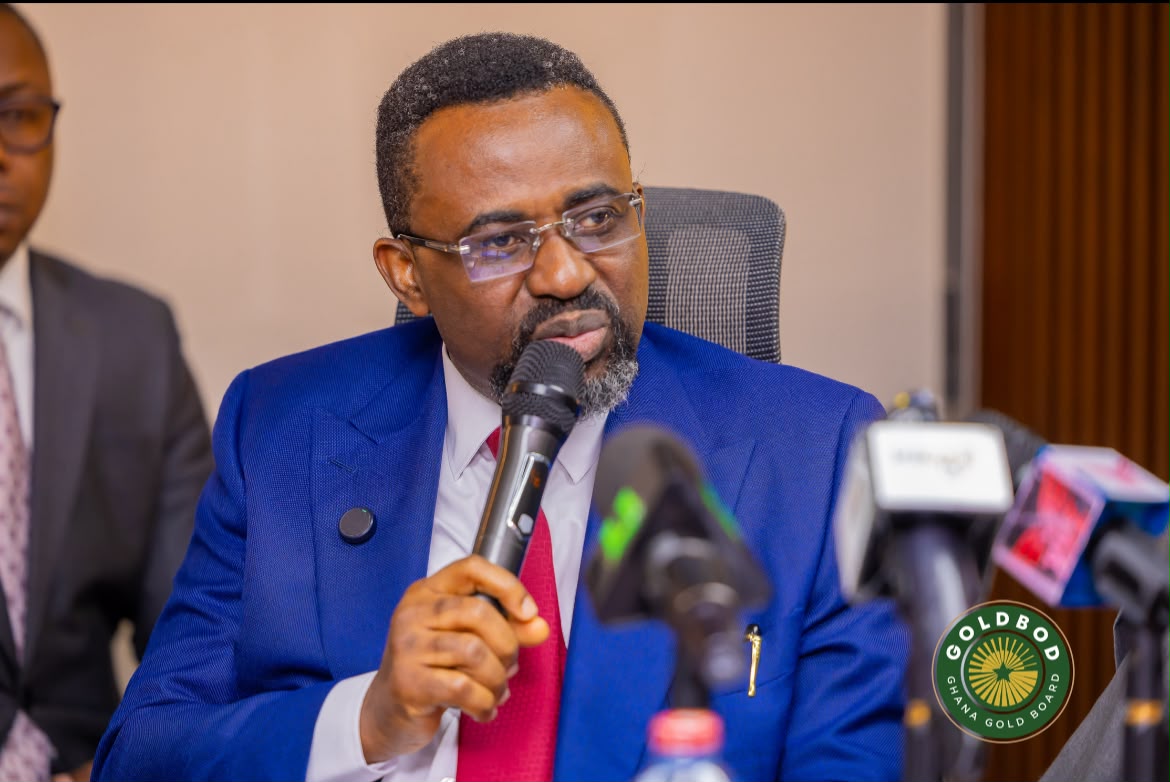
GoldBod’s Deputy Chief Executive
Officer, Richard Nunekpeku, Esq., said the initiative was intended as a
government-wide intervention involving the Minerals Commission, the Ministry of
Lands and Natural Resources and other relevant institutions.
He disclosed that GoldBod had
prepared a draft policy document of approximately 120 pages, which was
undergoing stakeholder consultations before submission through the relevant
government approval processes.
Presenting the programme's
technical framework, GoldBod’s Director for Responsible Mining and
Sustainability, Prof. Ishmael Quaicoo, outlined six strategic objectives,
including expanding access to legitimate financing, accelerating formalisation,
promoting responsible mining, establishing sustainable financing arrangements,
supporting community development and strengthening traceability across the gold
value chain.
A key feature of the proposed
programme is its two-stage approach, which requires miners to first satisfy
regulatory requirements and undergo preliminary geological and technical
assessments before accessing financing.
The financing component will
extend beyond direct cash support to include operational capital, machinery and
equipment, infrastructure, environmental and social obligations, as well as
exploration and resource definition.
GoldBod’s Director of Risk, Ama
Bonsu, highlighted credit default, side-selling, traceability concerns,
environmental risks and weak governance as major risks requiring attention.
She stressed the importance of
stringent due diligence, know-your-customer procedures, clear contractual
arrangements and effective monitoring to protect financiers and ensure
repayment.
The programme is expected to
mobilise resources from commercial banks, equipment suppliers, development
finance institutions and government or GoldBod seed capital, creating
opportunities for broader private-sector participation.
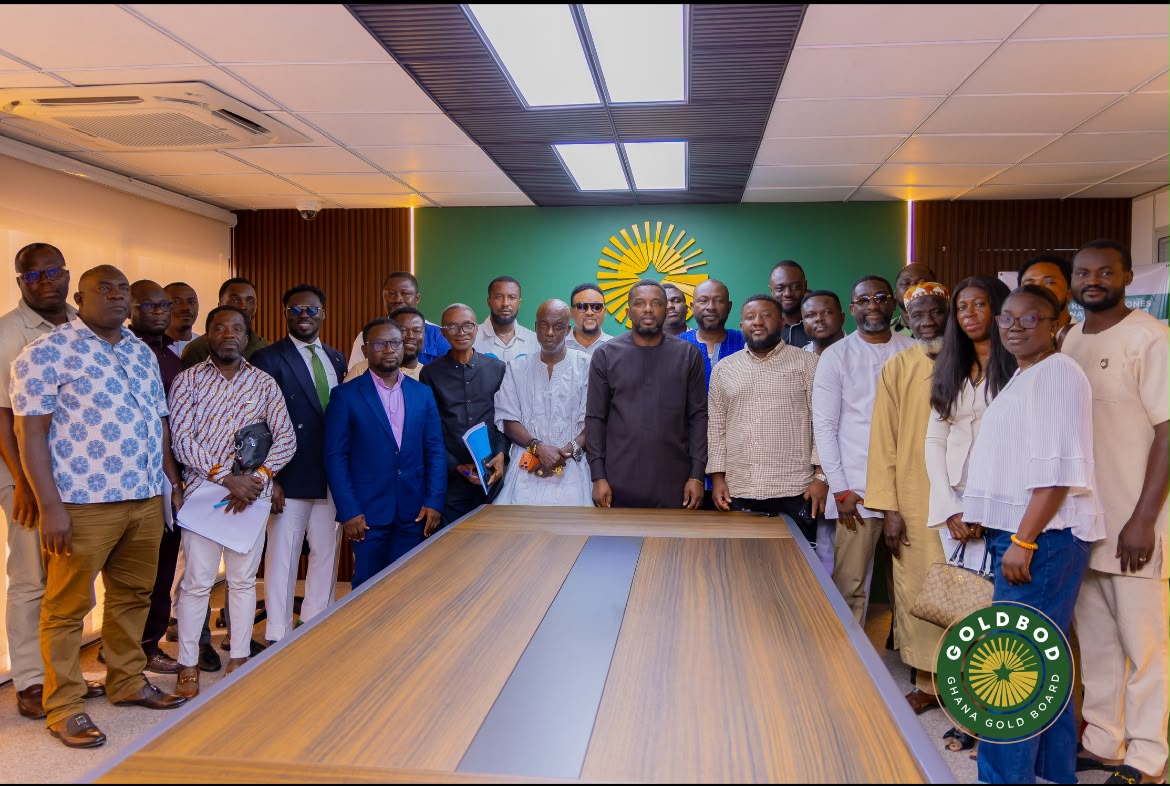
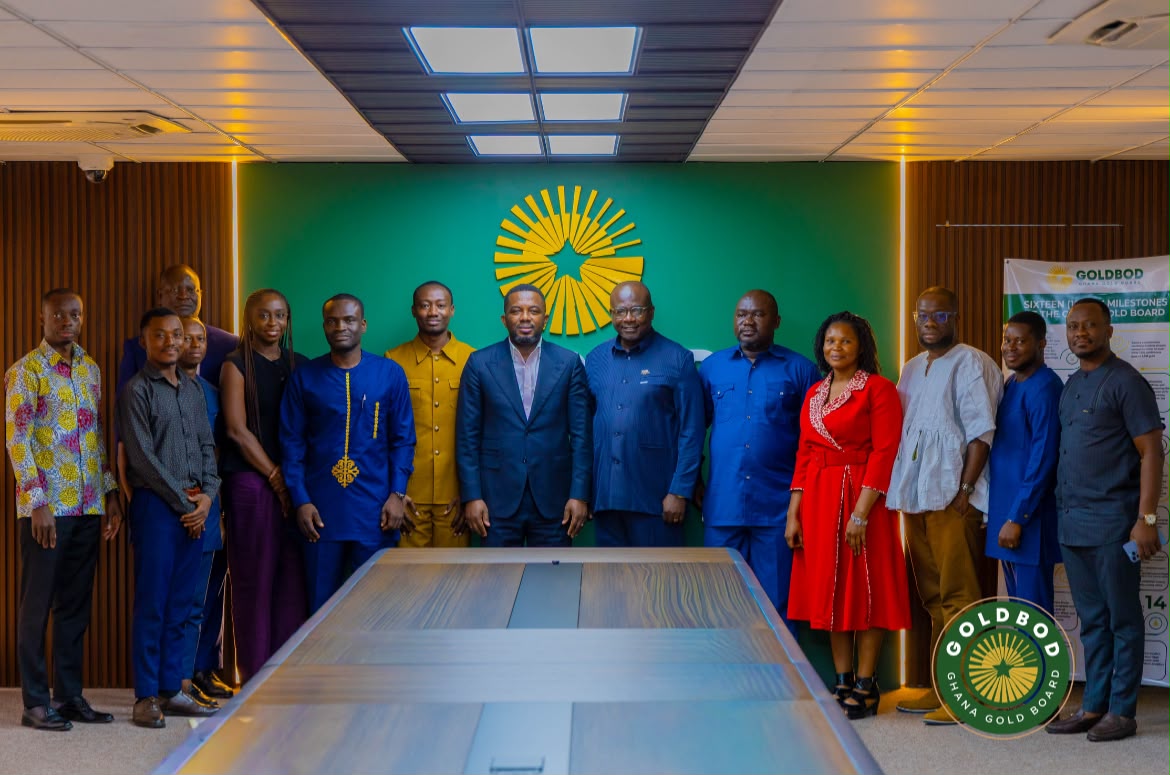
Leading the UMaT delegation,
Prof. Bernard Kumi-Boateng welcomed the engagement and pledged the university’s
technical expertise and research capacity towards developing a practical and
sustainable framework.
He also indicated the
university’s readiness to submit recommendations informed by its experience in
mining engineering, mineral processing, finance and small-scale mining support.
GoldBod will continue
consultations with relevant stakeholders to refine the proposed policy ahead of
its planned implementation in 2027.
The initiative seeks to connect
mining formalisation with responsible financing, technical assessments and
traceable gold production, creating a more accountable and investment-ready ASM
sector.