GoldBod Engages Licensed Gold Buyers on Major Reforms to Curb Smuggling, Hoarding and Revenue Losses
The Ghana Gold Board (GoldBod) has engaged members of the Licensed Gold Buyers Association in a high-level consultative meeting.
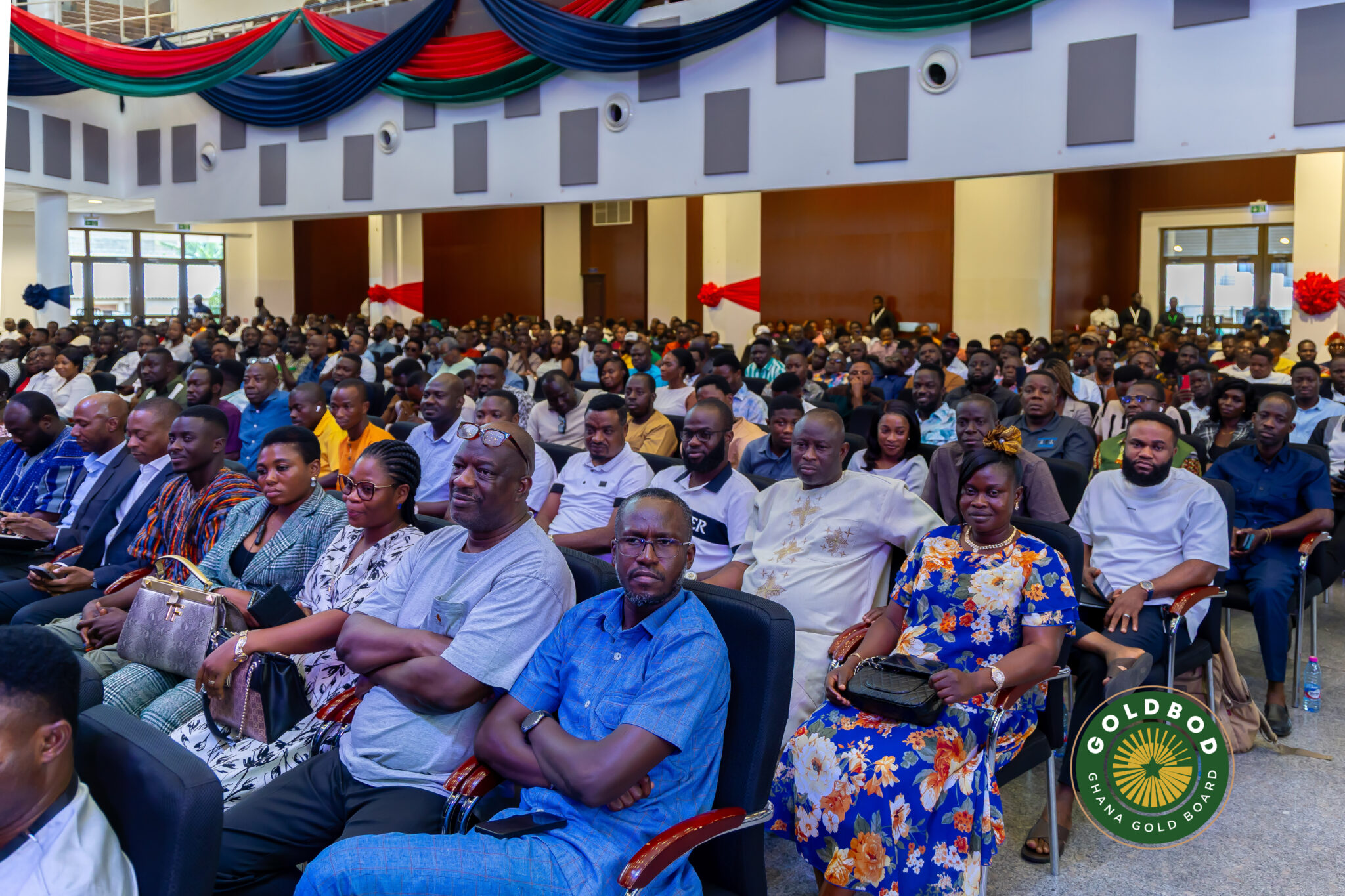
The open forum meeting, held at the University of Professional Studies (UPSA), Accra, on February 13, 2026, was aimed at reviewing operations over the past year and proposing reforms to strengthen traceability, eliminate hoarding, and curb gold smuggling within the sector.
Addressing the gathering, the Chief Executive Officer of GoldBod, Sammy Gyamfi, Esq., commended licensed buyers for their contribution to the Board’s achievements since its establishment.
He revealed that through the collaborative efforts of buyers, gold exports from the artisanal and small-scale mining (ASM) sector increased significantly from 63 tonnes in 2024 to 104 tonnes in 2025, generating approximately US$10.8 billion in export revenue.
He described the performance as a major boost to Ghana’s foreign exchange earnings and a key factor supporting recent currency stability.
However, Mr. Gyamfi noted that despite the impressive gains, the sector continues to face serious operational challenges that are costing the country substantial revenue.
He expressed concern about the growing trend of gold hoarding by some buyers, explaining that although the commission-based purchasing model was introduced to incentivise gold supply to GoldBod, some actors are withholding gold in anticipation of higher prices or increased commissions.
“Hoarding is one of the biggest challenges we are confronting because we have observed a significant reduction in the volumes accumulated for export,” he stated, adding that the practice undermines GoldBod’s operational model.
He explained that GoldBod provides financial support to some buyers to procure gold for export, with proceeds contributing directly to Ghana’s foreign exchange reserves and the stability of the cedi.
“When gold is hoarded, it disrupts the system and weakens the country’s ability to accumulate reserves and get foreign exchange inflows,” he added.
The CEO also spoke strongly against smuggling, disclosing that recent assessments indicate that a substantial proportion of gold smuggling activities are linked to buyers rather than miners.
He emphasised that such practices not only deprive the nation of critical revenue but also undermine the credibility of Ghana’s gold trading regime.
Another major concern raised was the lack of full traceability within the gold value chain. Mr. Gyamfi explained that the inability to trace gold to specific mining concessions limits Ghana’s access to certain international markets that require strict compliance with responsible sourcing standards.
He stressed that global best practices demand comprehensive traceability systems to ensure gold is ethically sourced and properly documented.
In response to these challenges, Mr. Gyamfi outlined proposed reforms expected to take effect between May and June, following further stakeholder consultations.
Central to the reforms is the establishment of GoldBod District Gold Buying Centres across mining districts to serve as structured gold markets where purchasing activities can be monitored and accurately recorded.
He explained that the current purchasing system makes it difficult to determine the exact quantities of gold purchased from miners and the locations of licensed gold buying offices, creating room for under-declaration by buyers and revenue leakages.
The proposed centres, he said, will strengthen monitoring, improve transparency, and ensure accountability across the gold trading chain while protecting both buyers and the national interest.
Following the presentation, members of the Licensed Gold Buyers Association were given the opportunity to present their concerns, suggestions, and recommendations.
Mr. Gyamfi took time to answer questions, address concerns, and take note of suggestions, with some licensed buyers agreeing with the challenges he outlined.
The CEO assured them that their input would be thoroughly reviewed before final decisions are taken, emphasising that the reform process remains consultative and ongoing.
He expressed appreciation to the buyers for honouring the invitation and reaffirmed government’s commitment to supporting their businesses.
“Government is not seeking to distort your operations. Rather, we want to strengthen the system so that it works better for you and ensures that Ghana derives maximum benefit from its gold resources,” he reiterated.
The engagement marks a significant step in GoldBod’s continued efforts to build a transparent, accountable, and internationally competitive gold trading framework that safeguards national revenue and strengthens economic stability.