GoldBod, Rwanda Explore Cooperation on Gold Trading, Mining Formalisation and Environmental Protection
The Ghana Gold Board (GoldBod)
has engaged a visiting Rwandan delegation on gold trading reforms, artisanal
and small-scale mining (ASM) formalisation, local value addition and
environmental protection as both countries explore ways to strengthen mineral
governance.
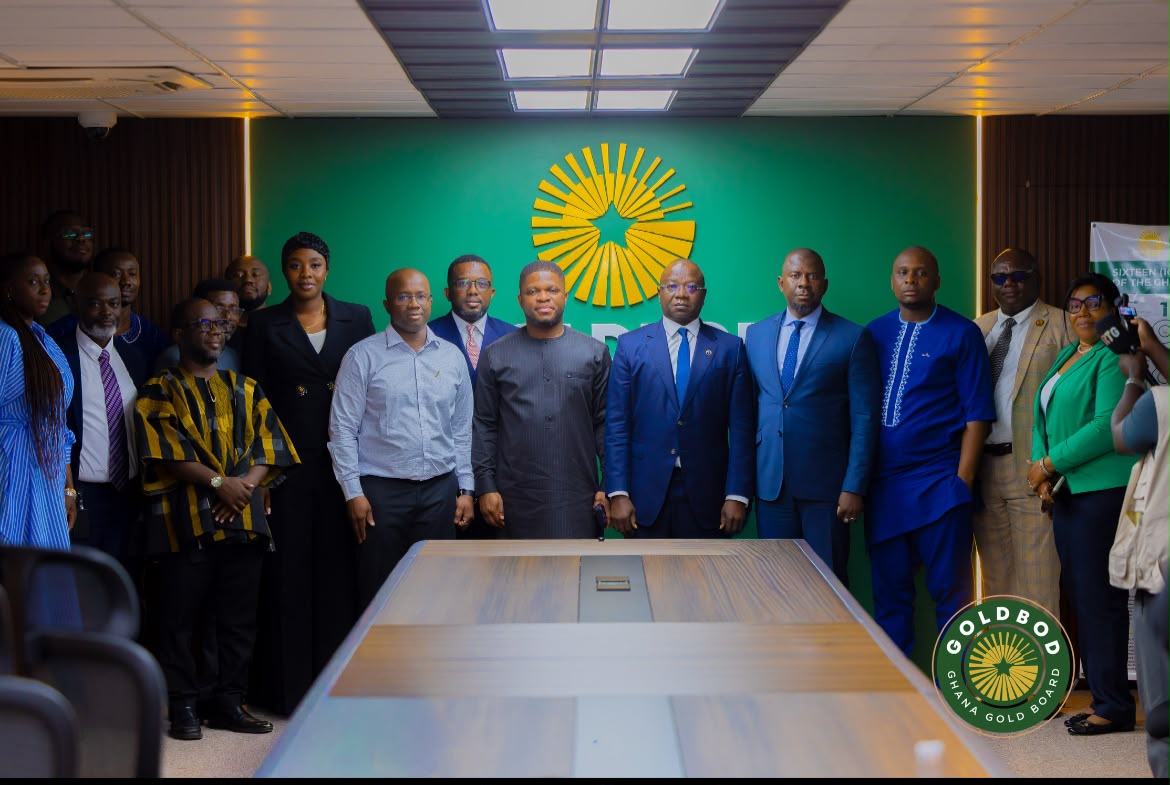
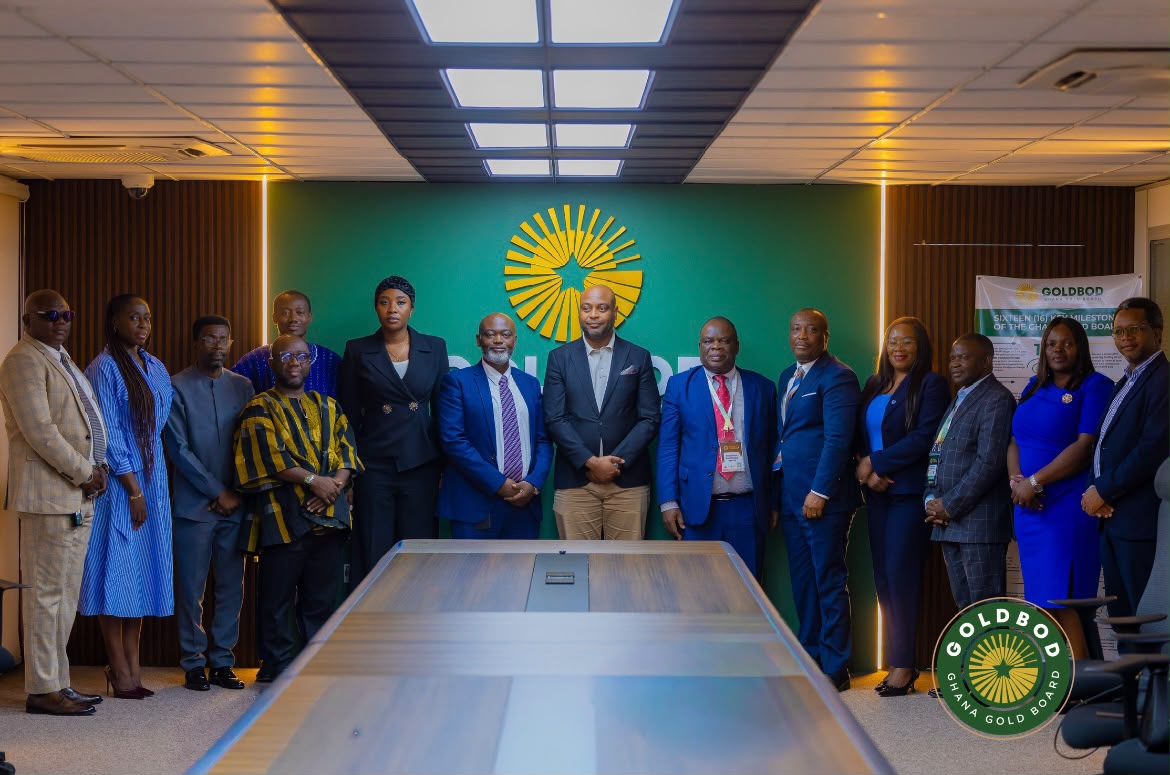
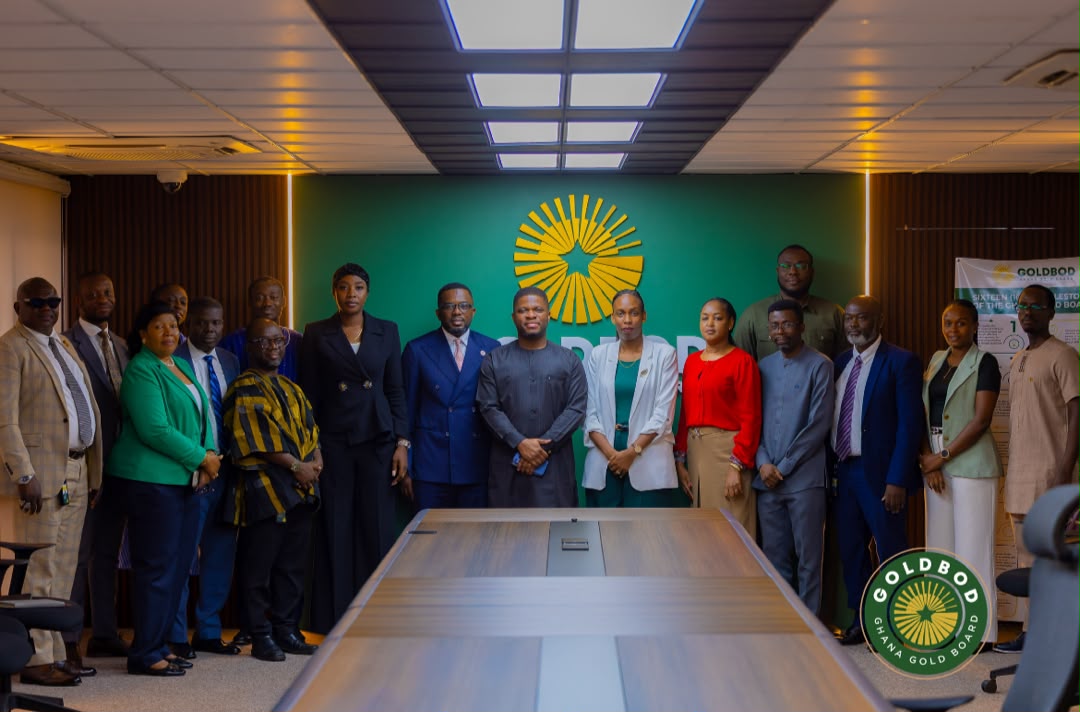
The delegation, led by Alice
Uwase, Chief Executive Officer of the Rwanda Mines, Petroleum and Gas Board,
met GoldBod Chief Executive Officer Sammy Gyamfi, Esq., to exchange experiences
on regulating gold trading, improving traceability and reducing environmental
damage associated with mining.
Ms. Uwase and her delegation
expressed interest in Ghana’s gold-buying framework, measures to address
mineral leakages and restrictions on foreign participation in artisanal gold
buying.
They also sought insights into
technologies that could improve gold recovery while reducing environmental
harm.
Mr. Gyamfi outlined Ghana’s
reforms to strengthen oversight and accountability in domestic gold trading and
ensure that more value from the country’s gold resources benefits the national
economy.
He highlighted GoldBod’s evolving
focus on local refining, mineral traceability, responsible sourcing and
formalisation.
Furthermoe, the Director of
Responsible Mining and Sustainability, Prof. Quaicoe explained that GoldBod’s
proposed Artisanal and Small-Scale Mining Formalisation and Financing Support
Programme would complement the work of the Ministry of Lands and Natural
Resources and the Minerals Commission, which have mandates relating to mining
formalisation and regulation.
The initiative, he said, would
involve collaboration with those institutions, the Environmental Protection
Authority and other relevant agencies.
Prof. Quaicoe noted that the
proposed programme is expected to help eligible miners obtain licences and
documentation, access technical support, improve gold recovery and adopt
responsible mining practices.
GoldBod is also considering
support for suitable processing equipment and financing to encourage more
efficient and environmentally responsible operations.
Environmental protection featured
prominently, particularly efforts to reduce mercury use in gold processing.
Prof. Quaicoo explained that gravity-based methods, including shaking tables
and sluice systems, could recover gold without mercury where geological
conditions permit. He noted, however, that fine-gold recovery can present
challenges, underscoring the need for appropriate technology and training.
The discussions also covered
Ghana’s obligations under the Minamata Convention on Mercury, which seeks to
protect human health and the environment from mercury pollution.
The Rwandan delegation shared its
efforts to formalise artisanal mining through cooperatives, mechanisation,
stronger governance and improved access to financing. Rwanda is also pursuing
greater domestic mineral processing, including gold refining and the
development of national mining companies.
The engagement highlighted shared
priorities in formalisation, traceability, local processing and environmental
sustainability, with both countries exploring how African-led approaches can
improve mineral-sector accountability and retain greater economic value from
natural resources.