GoldBod Unveils Measures to Curb Hoarding, Smuggling and Boost ASM Gold Sector
The Chief Executive Officer of the Ghana Gold Board (GoldBod), Sammy Gyamfi, has called on small-scale miners to support ongoing reforms aimed at sanitising the sector and ensuring Ghana derives maximum benefit from its gold resources.
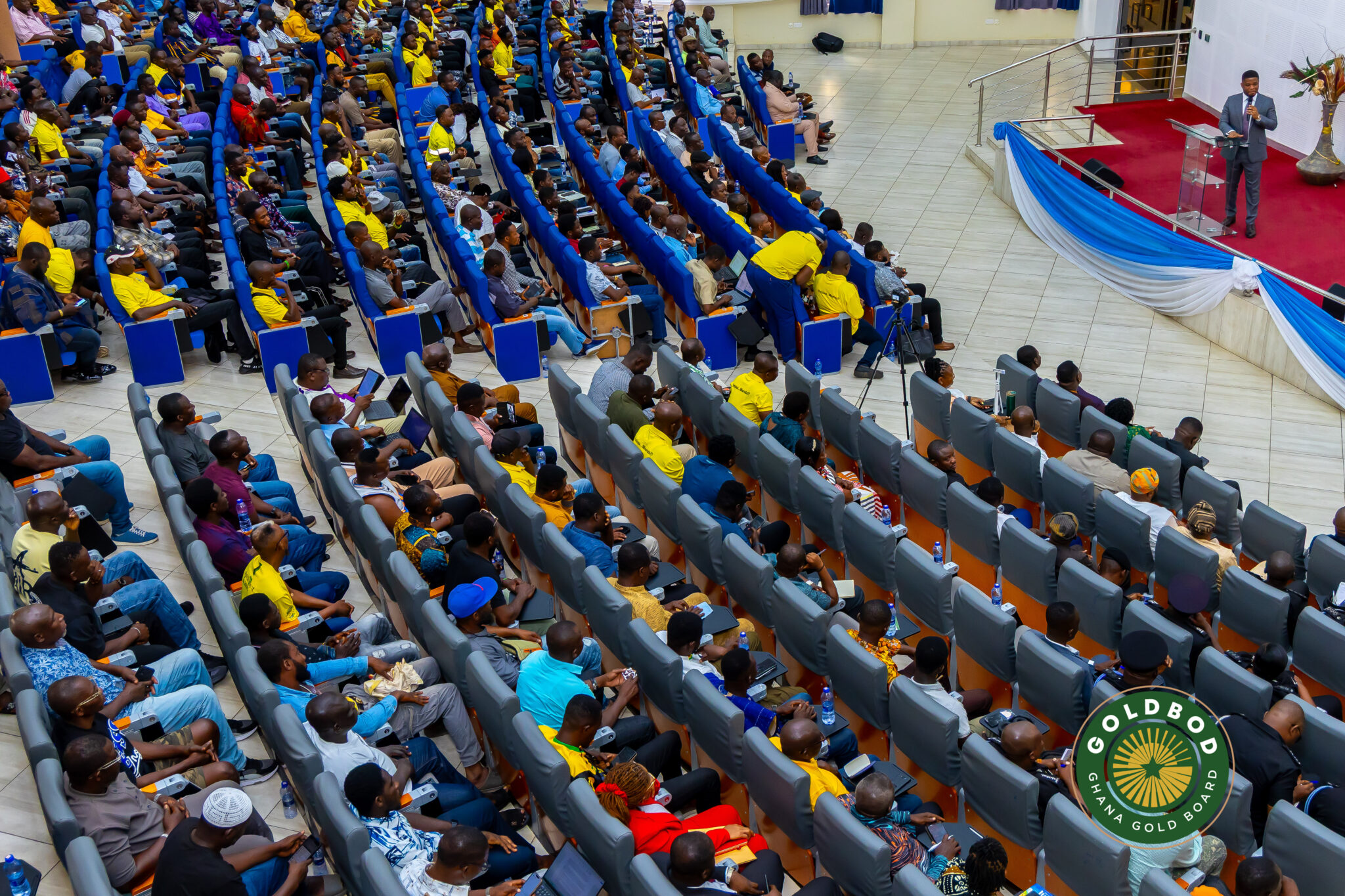
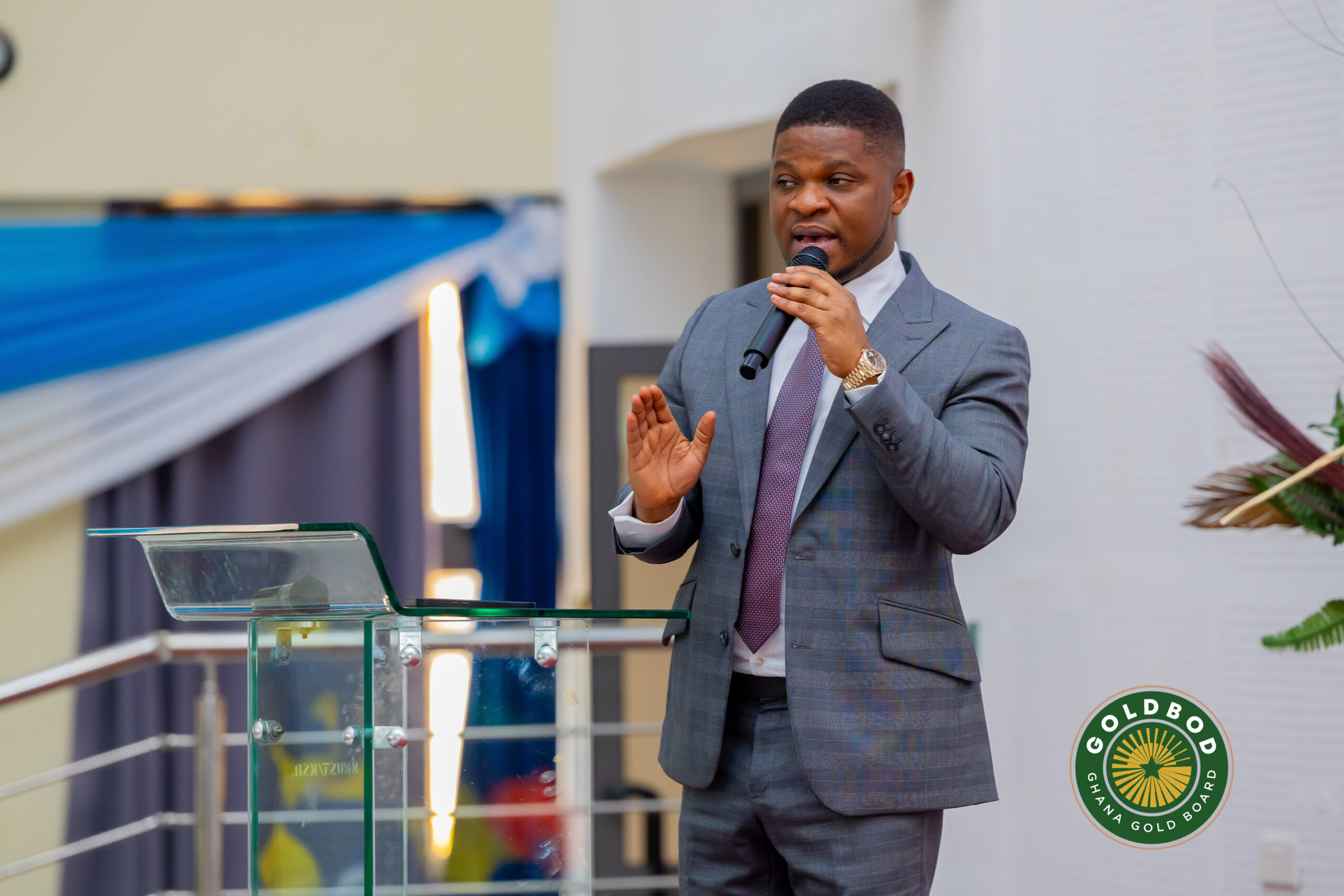
Addressing a stakeholders’ forum at the Kwame Nkrumah University of Science and Technology in Kumasi, Mr. Gyamfi said the engagement was organised to reflect on the past year, identify challenges, and chart a stronger path forward for the artisanal and small-scale mining (ASM) sector.
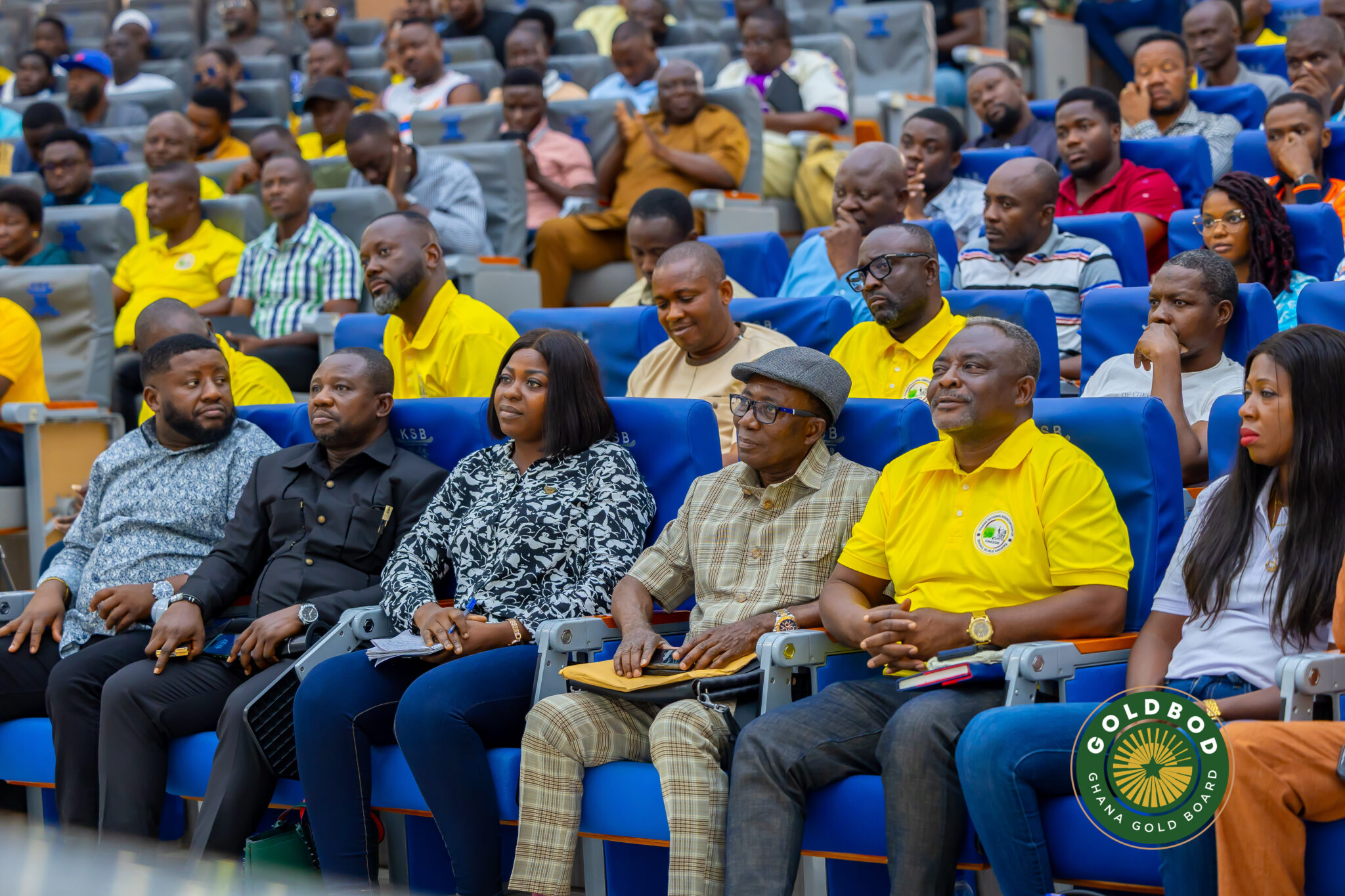
“We are here to take stock of last year, check the challenges and improve so we can maximise the benefits of the ASM sector,” he told members of the Ghana National Association of Small-Scale Miners and the National Concerned Small-Scale Miners Association.
He acknowledged the critical role small-scale miners play in Ghana’s gold production, revealing that the sector produced 63 tonnes in 2024 and increased significantly to 104 tonnes in 2025.
“I believe small-scale miners had always given Ghana more gold than large-scale miners, but because of smuggling, we didn’t see the results. But with the introduction of GoldBod, things are now formalised and we are seeing the results,” he said.
Mr. Gyamfi highlighted the economic impact of reforms in the gold sector, noting that while Ghana secured a $3 billion IMF support programme, the country generated $10.8 billion from gold exports within a year following improvements in the management of the gold value chain.
“When we came, gold was purchased by foreigners and smuggled out. We dig gold, export but we don’t get the foreign exchange,” he said, adding that improved regulation has contributed to the appreciation of the cedi and provided broader economic relief.
Despite the progress recorded, the GoldBod CEO expressed concern over persistent illegal mining and smuggling activities, stressing that such practices undermine national development and public health.
“GoldBod doesn’t want gold that is illegally mined. Anyone who mines gold illegally is an enemy of the state,” he cautioned.
To address these challenges, Mr. Gyamfi announced that GoldBod will, in 2026, deepen collaboration with the Minerals Commission and security agencies to intensify efforts against illegal mining activities.
He also disclosed that GoldBod will support small-scale mining associations with resources to assist in the fight against illegal mining, following requests from industry groups.
Looking ahead, Mr. Gyamfi announced plans to roll out GoldBod District Gold Buying Centres (GDGBCs) across mining communities to address issues such as underpricing, hoarding, and gold smuggling.
He explained that the initiative will bring gold purchasing services closer to miners while ensuring greater transparency and accountability in the gold trade.
“Make sure your gold buyer has a GoldBod licence,” he urged, warning that unlicensed buyers, including some operating from neighbouring countries, continue to contribute to gold smuggling.
Under the new system, both miners and licensed buyers who trade at designated centres will receive transportation and risk allowances, while GoldBod, in collaboration with security agencies, strengthens monitoring to curb under-declaration and illegal trade.
“If you are a miner and you want your gold to benefit Ghana, bring the gold to the district gold market. We will have buying centres close to you,” he said.
Mr. Gyamfi assured miners that increased gold flows through formal channels will enable GoldBod to reinvest in the sector, including providing equipment and other forms of support to improve productivity.
The forum formed part of GoldBod’s ongoing stakeholder engagement strategy aimed at building trust, promoting responsible mining practices, and strengthening collaboration with key players within the ASM sector.
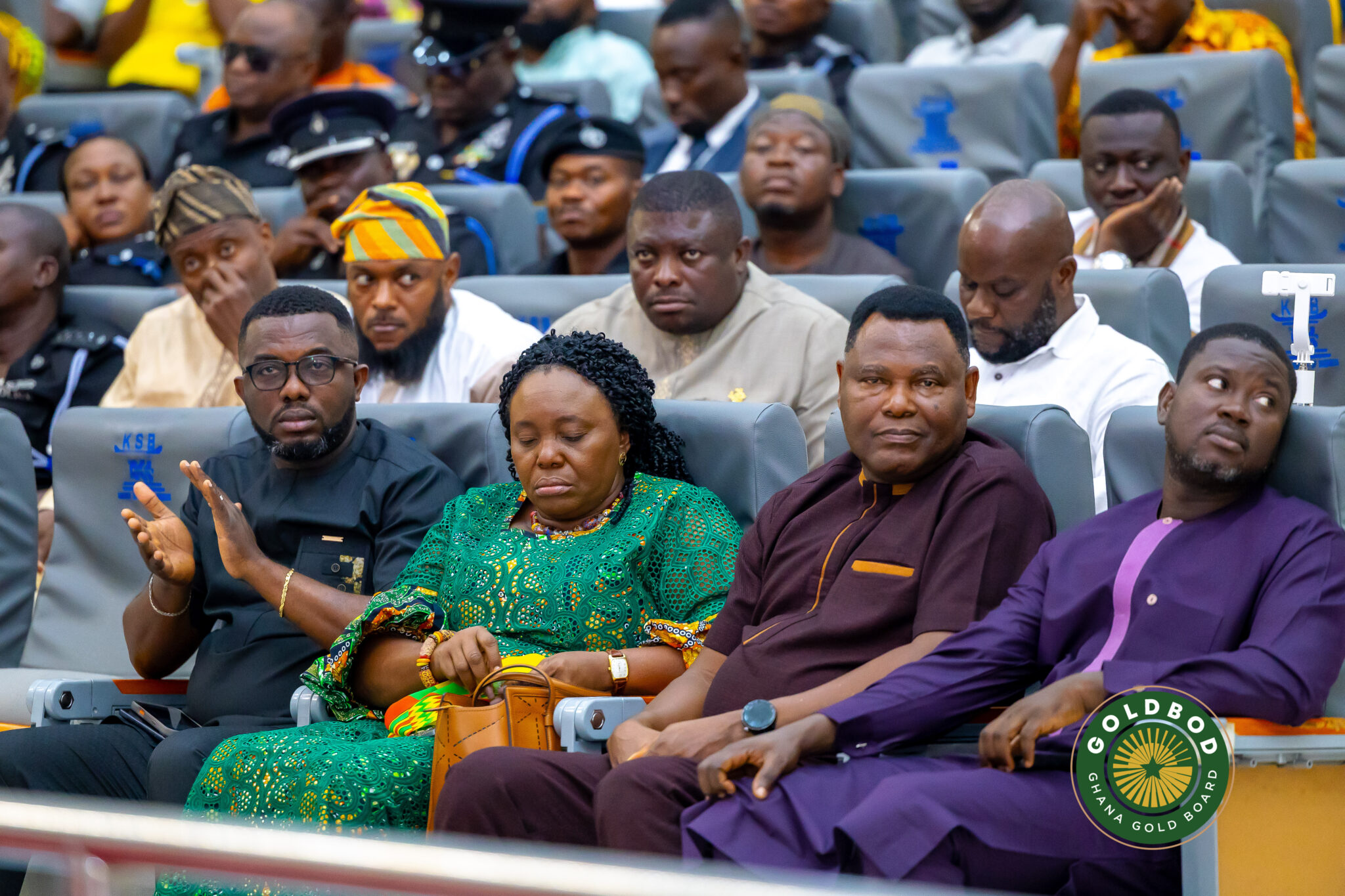
Present at the forum were the Deputy Minister for Local Government, Chieftaincy and Religious Affairs, Hon. Rita Naa Odoley Sowah; officials from the Minerals Commission; members of the Responsible Cooperative Mining and Skills Development Program (rCOMSDEP); the Ashanti Regional Police Commander; and other senior officers of the Ghana Police Service in the region.