PAC Briefed on BoG Cost Pressures as Goldbod Drive Record Gold Volumes
The Bank of Ghana has told Parliament’s Public Accounts Committee that rising operational costs associated with Ghana’s gold-linked programmes are largely driven by the significant increase in gold volumes now moving through formal channels, supported by licensed aggregators such as GoldBod.
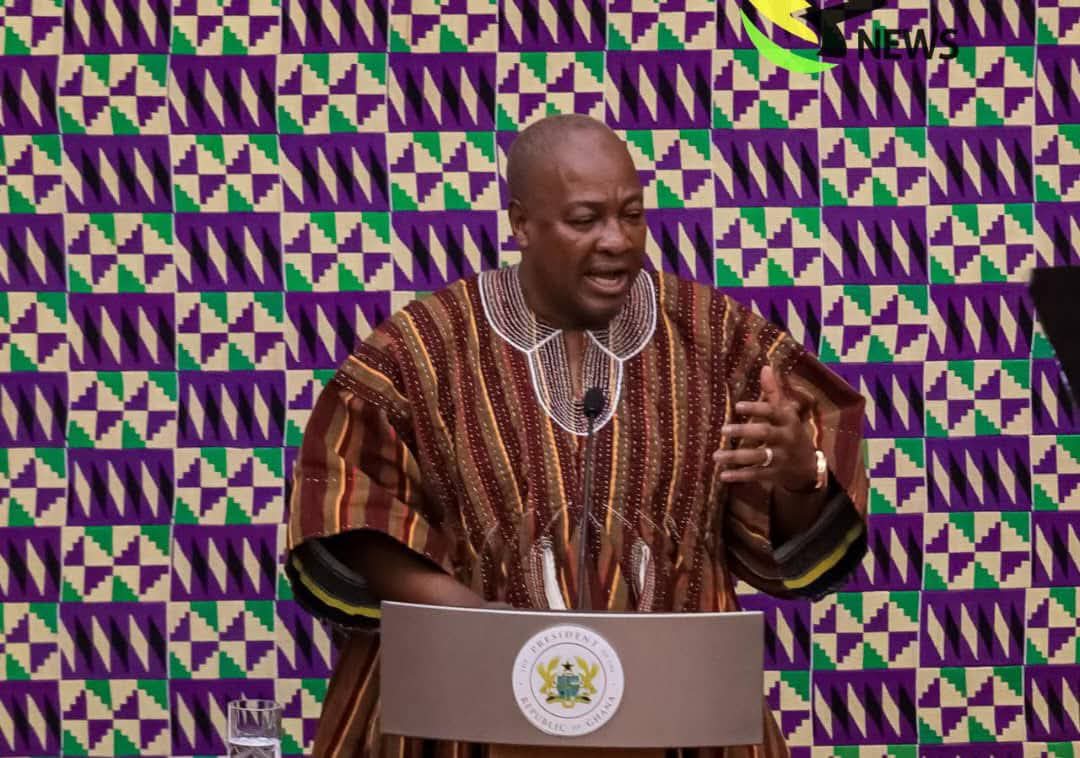
Governor of the Bank of Ghana, Dr. Johnson P. Asiama, appearing before the Committee, explained that the shift from smuggling and informal export routes toward regulated and compliant buyers demonstrates that Ghana’s gold management framework is achieving its intended objectives, even though the transition has temporarily increased financial pressures on the central bank.
Members of the Committee examined reported programme-related costs, noting that the Bank’s 2024 financial statements recorded GHS 1.8 billion in Gold for Oil-related costs, while public discussions have referenced a GHS 3.8 billion figure.
The Committee requested clarification on the difference between the figures, and Dr. Asiama assured members that the Bank would provide a detailed breakdown to fully account for the allocations.
The Governor explained that formal aggregation, refining, and export systems designed to retain greater value from Ghana’s gold resources involve unavoidable costs, particularly during the early stages of implementation.
He noted that the Bank had to temporarily bridge funding gaps during 2024 and into 2025 when expected government support was delayed, explaining that procurement activities could not be halted without affecting market confidence and the stability of the system.
Dr. Asiama pointed to the USD 270 million (approximately GHS 4.5 billion) allocation in the 2025 national budget for gold-related activities, stating that the Bank’s temporary assumption of costs ensured continuity across gold purchasing, aggregation, refining, and export operations.
He emphasised that the increase in formal gold volumes reflects the growing network of licensed aggregators supplying gold through regulated channels.
According to the Governor, companies such as GoldBod have been instrumental in expanding legal, traceable gold procurement systems that capture volumes previously lost through illicit export routes.
He described the development as a turning point for Ghana’s gold sector, noting that gold retained within the formal system contributes to reserve accumulation, strengthens the foreign exchange position, and supports exchange rate stability.
Dr. Asiama rejected suggestions that increased gold volumes indicate a rise in illegal mining activities.
He explained that formalisation of gold trading must be assessed separately from enforcement efforts, which continue across mining communities.
The Governor stated that the key development is that credible private-sector aggregators are now capturing gold that would previously have been diverted through informal and illegal channels.
On concerns raised by the International Monetary Fund (IMF), Dr. Asiama clarified that the Fund had not opposed Ghana’s gold programmes.
Rather, he said the IMF recommended that the Bank of Ghana should not permanently bear the full cost of activities that are fundamentally government policy responsibilities.
He noted that the Bank agrees with this position and is working with the Ministry of Finance to establish a more sustainable cost-sharing arrangement.
Committee members referenced Ghana’s Extended Credit Facility commitments, which limit central bank financing of quasi-fiscal activities, and stressed the need to formalise the fiscal framework for funding gold-related programmes. Some members suggested that legislative action may be required.
Dr. Asiama appealed for bipartisan support for reforms that will protect the gains achieved through stronger reserve buffers, improved foreign exchange stability, and moderated inflation, while ensuring financial responsibilities are assigned to the appropriate institutions.
He added that the Bank remained policy solvent at the end of 2024, while the 2025 financial accounts are still being prepared.
The Public Accounts Committee is expected to revisit the matter after receiving further documentation on programme costs and a proposed framework to sustain collaboration with licensed aggregators such as GoldBod without placing excessive financial pressure on the central bank.