GoldBod Exports 85.4 Tonnes of Small-Scale Gold Worth US$11.6 Billion in 2026
The Ghana Gold Board has
aggregated and exported 85.4 tonnes of artisanal and small-scale mining gold
valued at US$11.6 billion between January 1 and October 20, 2026, according to
its Chief Executive Officer, Sammy Gyamfi, Esq.
The performance places the
small-scale sector ahead of large-scale mining exports over the same period,
with large-scale gold exports totalling 76 tonnes valued at US$11.1 billion.
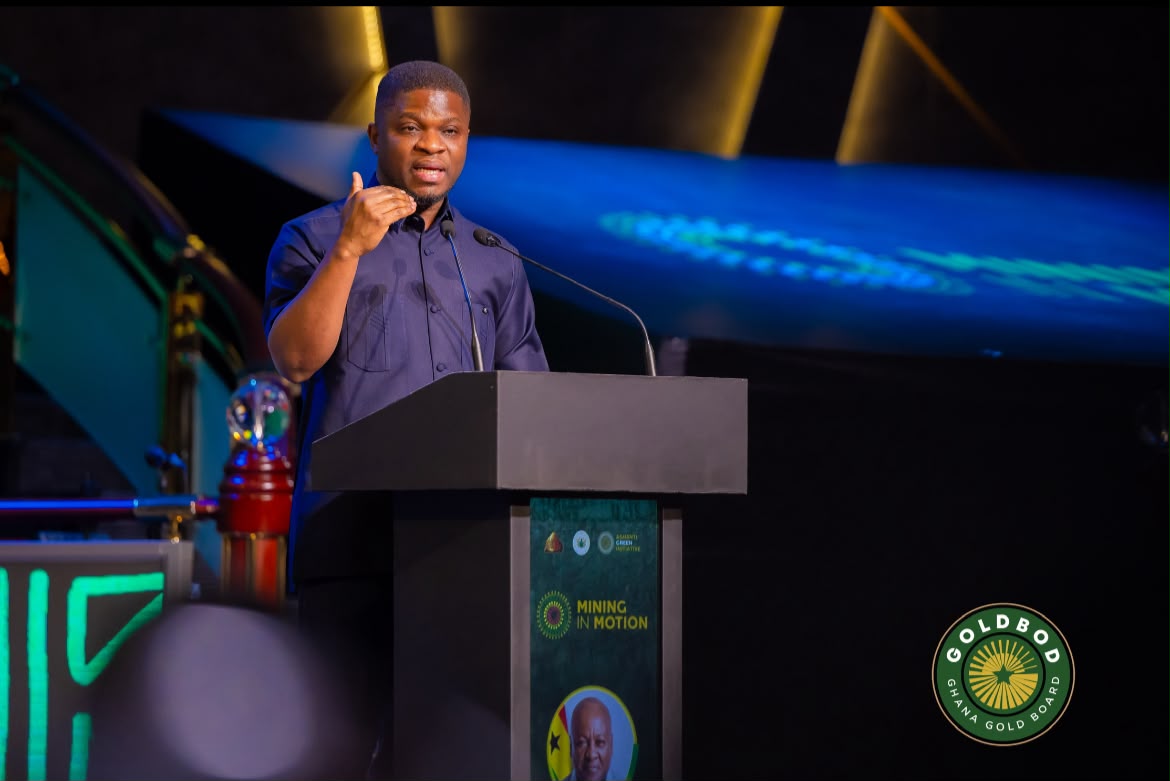
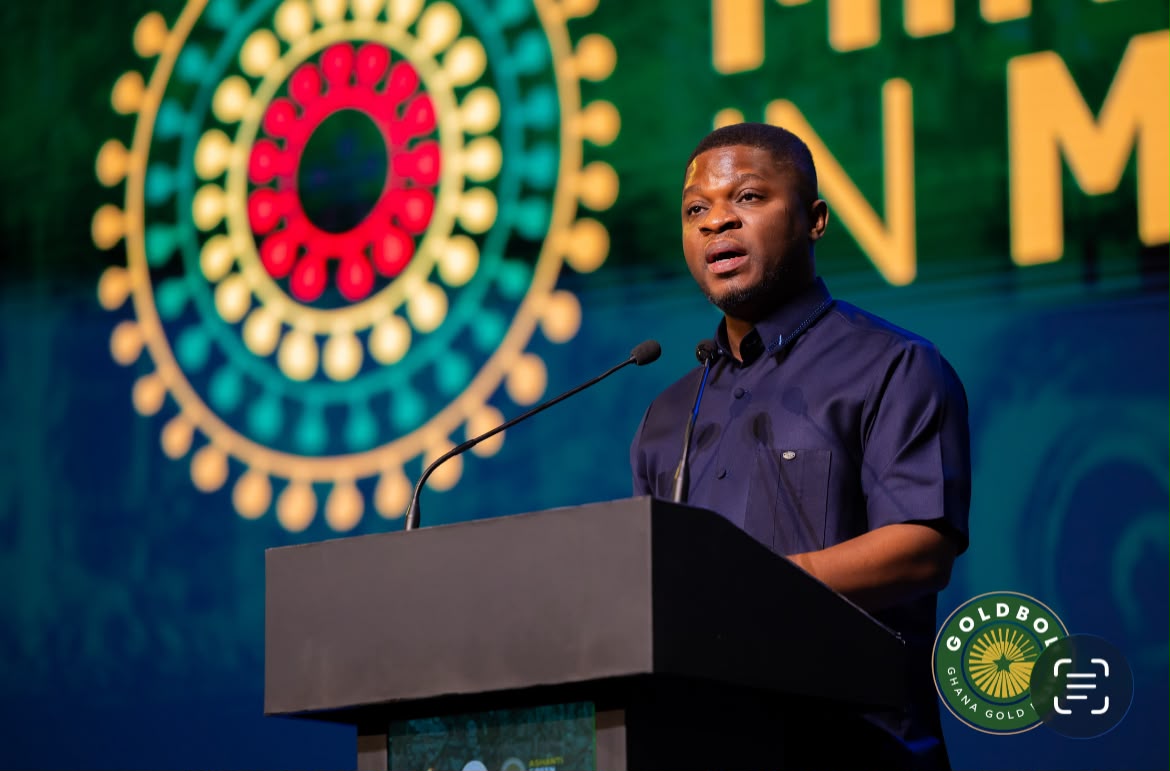
Mr. Gyamfi announced the figures
in his keynote address at the African Minerals Policy Forum – Mining in Motion
2026, attributing the development to reforms introduced by GoldBod to formalise
the gold trade and recover gold previously lost to smuggling and other illicit
trading activities.
He said the reforms were designed
to address longstanding structural weaknesses in Ghana’s artisanal and
small-scale gold market, including under-declaration, informal cross-border
trade, weak regulatory oversight and inadequate foreign-exchange repatriation
systems.
The GoldBod CEO cited a SWISSAID
analysis of UN Comtrade mirror data, which identified a 229-tonne gap valued at
approximately US$11.4 billion between Ghana’s reported gold exports and
corresponding imports declared by its trading partners from 2019 to 2023.
He also recalled that Ghana’s
recorded small-scale gold exports declined from 75.7 tonnes in 2018 to 53.4
tonnes in 2019 and 39.3 tonnes in 2020.
Following the introduction of a
three per cent withholding tax on unprocessed small-scale gold, official
exports plunged to 3.4 tonnes in 2021, worth approximately US$185 million.
Mr. Gyamfi argued that the
decline did not mean gold production had stopped but rather that significant
volumes of gold had moved beyond official trading channels.
GoldBod was subsequently
established as the sole buyer, seller and exporter of gold, the statutory
national assayer, and the statutory regulator of Ghana’s gold trade industry.
Among the reforms introduced were
a four-tier licensing regime, transparent and competitive pricing, official
receipting, digital stock-booking systems, increased liquidity for local gold
purchases and the deployment of a special task force and inspectorate to
enforce regulatory compliance.
According to Mr. Gyamfi, the
reforms helped increase ASM gold exports from 63 tonnes in 2024 to
approximately 104 tonnes in 2025, surpassing large-scale gold export volumes
for the first time in Ghana’s history.
He said the sector generated
US$10.8 billion in foreign exchange in 2025, supporting foreign-exchange market
stability, reserve accumulation and the appreciation of the Ghana cedi.
He further disclosed that GoldBod
had purchased and delivered 1.8 tonnes of large-scale gold valued at US$224
million to the Bank of Ghana in 2026 to strengthen the country’s gold reserves.
Mr. Gyamfi described the recovery
of previously unrecorded gold into the formal economy as a “production claw
back,” stressing that the achievement came from reforming the trade rather than
creating new gold production.
He maintained that Ghana’s
mineral wealth must contribute directly to national reserves, currency
stability, employment and broader economic development.