GoldBod Reforms Create 4,866 Direct Jobs in Less Than Two Years - CEO
The institutional, licensing and
value-addition reforms introduced by the Ghana Gold Board have created 4,866
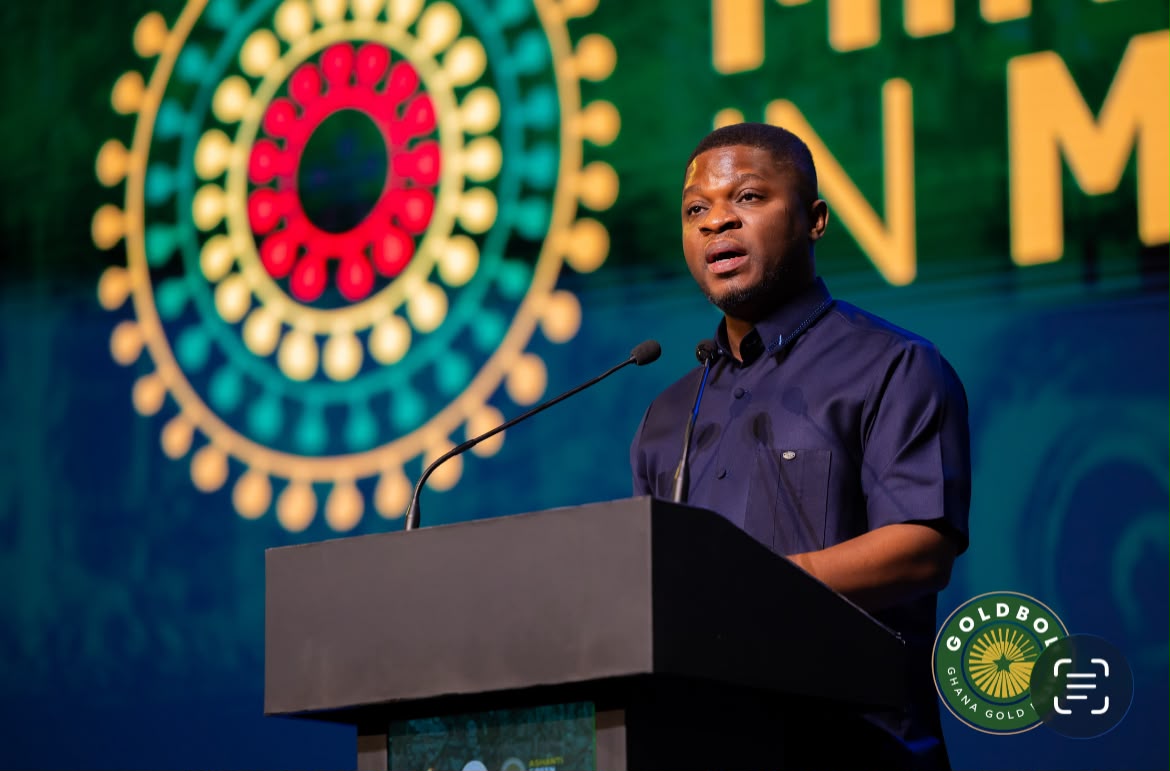
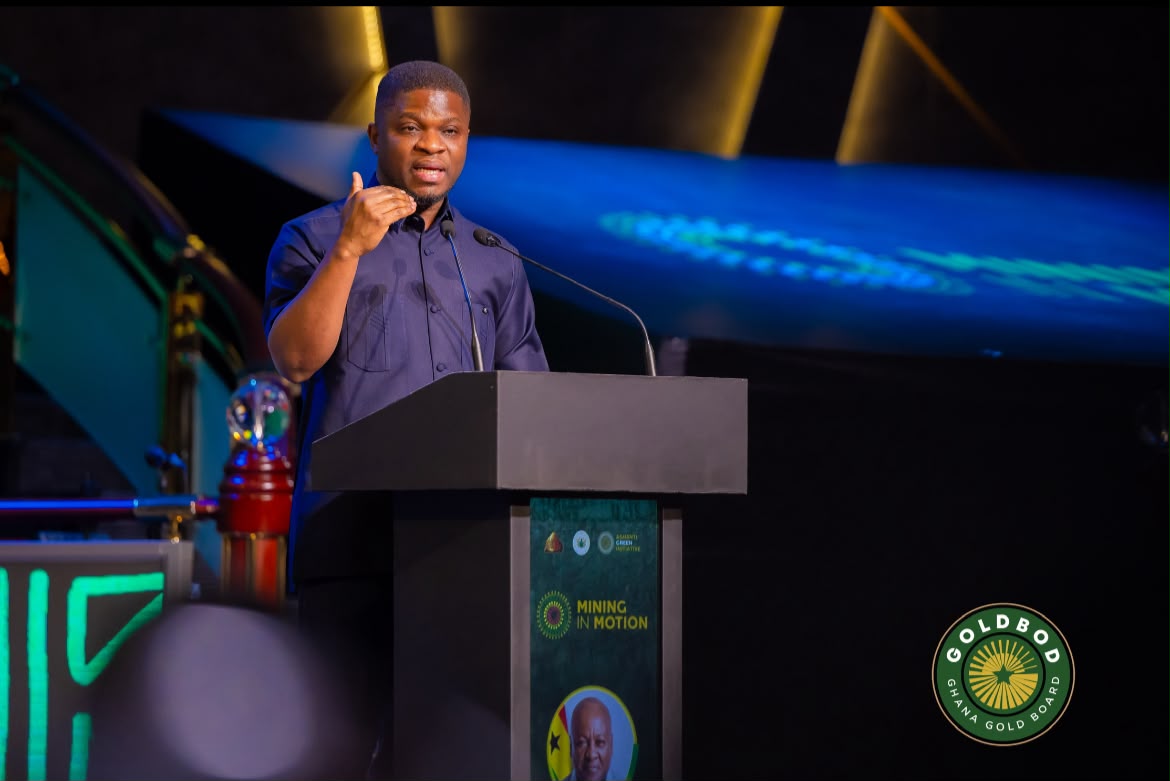
direct jobs in less than two years, Chief Executive Officer Sammy Gyamfi, Esq.,
has disclosed.
The jobs comprise 361
public-sector positions and 4,505 private-sector jobs, according to Mr. Gyamfi,
who delivered the figures in a keynote address at the African Minerals Policy
Forum – Mining in Motion 2026.
He said the reforms were opening
additional indirect employment opportunities across the gold value chain,
particularly for artisanal smelters, jewellers and young entrepreneurs.
The GoldBod CEO argued that
Africa’s mineral wealth must be assessed not only by the volume of minerals
extracted and exported but also by the jobs, industries, revenue and shared
prosperity generated for its people.
He observed that Africa’s rapidly
growing youth population faced high unemployment and limited opportunities for
decent work, making the creation of productive industries around the
continent’s mineral resources an urgent priority.
Mr. Gyamfi maintained that the
benefits of mining should extend beyond extraction and exports to include local
processing, refining, equipment supply, financing, engineering and indigenous
enterprise development.
He said GoldBod’s reforms were
intended to create opportunities for Ghanaians to participate more meaningfully
in the gold industry while strengthening the country’s ability to retain value
from its mineral resources.
As part of this agenda, GoldBod
plans to introduce an Artisanal and Small-Scale Mining Formalization and
Financing Support Programme in 2027.
The programme will be implemented
in collaboration with the Ministry of Lands and Natural Resources and the
University of Mines and Technology, with technical support from South Africa’s
Rand Refinery.
Mr. Gyamfi said the initiative
would seek to sustainably increase gold production, mineral revenue and
employment while reducing operational costs and environmental degradation
associated with artisanal and small-scale mining.
He added that properly organised
small-scale mining, supported by modern technology and appropriate financing,
could improve mineral recovery rates, enhance safety, reduce environmental
damage and create productive opportunities for young Africans.
The CEO also highlighted
GoldBod’s Mining Support Programme, under which geological investigations are
being undertaken in partnership with the Ghana Geological Survey Authority at
Funsi in the Upper West Region and Bensere in the Ashanti Region.
The studies are expected to help
de-risk investments, build an investment-grade portfolio of mineral assets and
improve Ghana’s negotiating position in prospective mining ventures.
Mr. Gyamfi said Ghana needed to
move beyond dependence on free-carried interests and royalties towards securing
equity ownership in sustainable mines.
He stressed that mineral
sovereignty would remain incomplete if Africans continued to be confined to
low-value activities while finance, technology, processing and the most
lucrative opportunities remained under external control.
He called for deliberate policies
that would enable local enterprises and young African professionals to become
mine owners, geologists, engineers, equipment providers, financiers,
processors, refiners and traders.