GoldBod Refinery Partnerships Push Local Gold Processing to 94.6% in October
The Ghana Gold Board (GoldBod)
says it has locally refined 94.6 per cent of the artisanal and small-scale
mining (ASM) gold it purchased in October, marking significant progress in
Ghana’s drive to retain more value from its mineral resources.
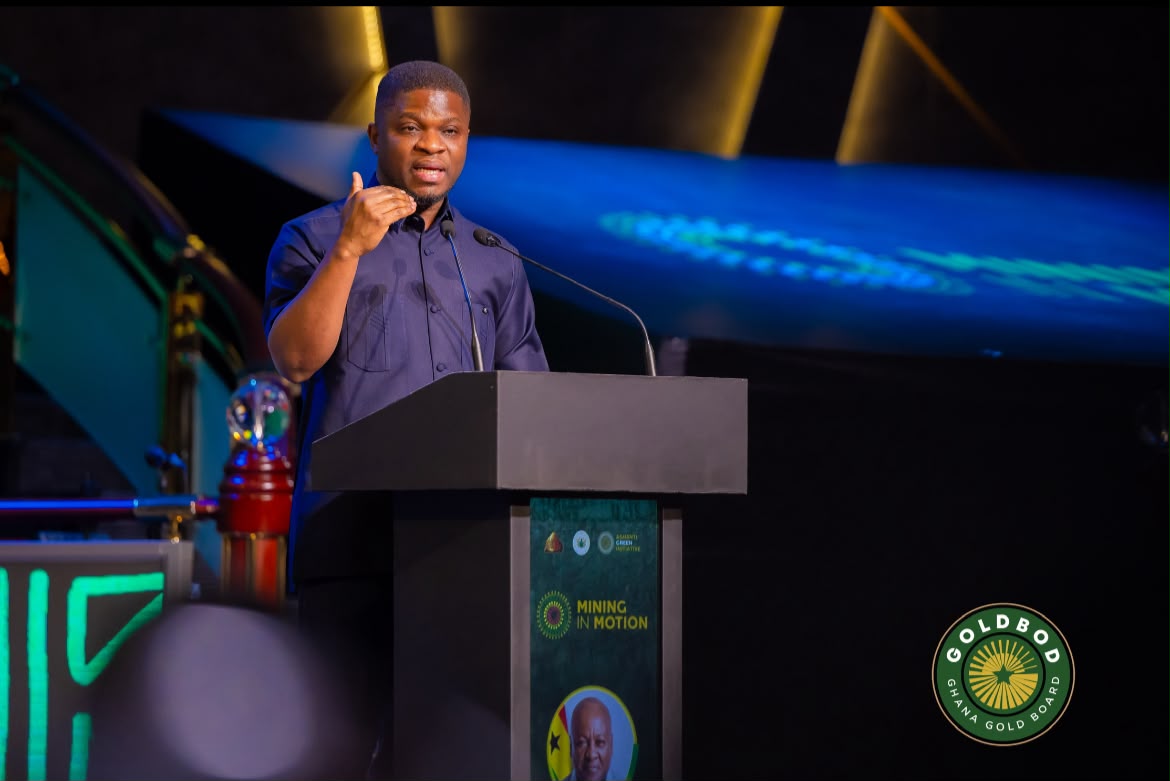
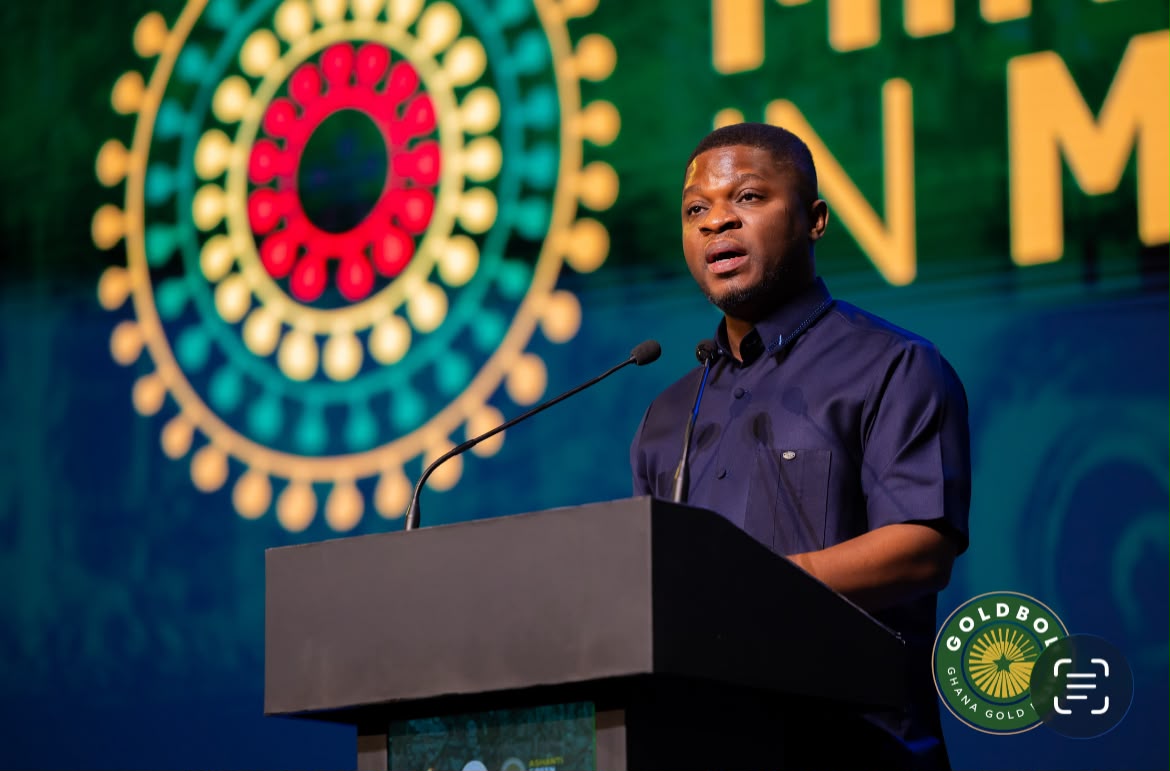
GoldBod Chief Executive Officer,
Sammy Gyamfi, Esq., disclosed this in a keynote address at the African Minerals
Policy Forum – Mining in Motion 2026, where he outlined the country’s efforts
to transition from exporting raw gold to expanding domestic refining and value
addition.
According to Mr. Gyamfi, GoldBod
purchased 5.7 tonnes of artisanal and small-scale gold in October, of which 5.4
tonnes had been refined locally.
He attributed the progress to
strategic partnerships with two privately owned Ghanaian refineries, Gold Coast
Refinery and Royal Ghana Gold Refinery, with which GoldBod entered into gold
refining services agreements earlier this year.
The two refineries have
cumulatively processed 25 tonnes of ASM gold purchased and exported by GoldBod
in 2026, representing approximately 30 per cent of the Board’s total ASM gold
exports of 85.4 tonnes as of October 20.
Mr. Gyamfi further disclosed that
since August 1, 2026, 18.7 tonnes of ASM gold had been refined locally,
representing 76 per cent of the 25 tonnes processed over the period.
Beyond artisanal and small-scale
gold, the GoldBod CEO said 30 percent of the output of large-scale mining
companies purchased by the government under the Ghana Accelerated National
Reserve Accumulation Program (GANRAP) was also being refined locally.
He noted that Gold Coast Refinery
and Royal Ghana Gold Refinery were pursuing strategies to attain accreditation
from the London Bullion Market Association (LBMA) within the next three to five
years, under GoldBod’s regulatory guidance.
The developments form part of
Ghana’s broader ambition to move away from exporting raw minerals towards
building domestic processing capacity and retaining a greater share of the
economic benefits generated by its natural resources.
Mr. Gyamfi said Ghana was working
towards a transition from exporting 100 per cent of its minerals in raw form at
the end of 2024 to achieving zero raw mineral exports by the end of 2030.
He stressed that the objective of
GoldBod went beyond gold trading, insisting that every ounce of gold produced
in Ghana should generate greater value for Ghanaians.
The CEO commended the Ghana
Chamber of Mines for its cooperation and support towards the government’s
value-addition agenda.
He delivered the address under
the theme, “From Gold Production to National Prosperity: Ghana’s GoldBod Model
for Mineral Sovereignty and Value Addition.”